

Wilder Landscapes
The Ecological Dimension of Bioregional Regeneration
Wilder Landscapes is the ecological dimension of Wilderculture's work — how land is actually managed, what biological complexity it sustains, and how natural processes recover.
Where we work
We work in Britain's upland, marginal, and island landscapes, where ecological depletion, economic fragility, and the loss of cultural knowledge have all accelerated together. These places can only recover as whole systems.
Fifteen years of action research
Across fifteen years of action research in regenerative agriculture, working with farms and estates managing hundreds of thousands of acres of UK upland country, we've deepened our understanding of how these culturally shaped landscapes can transition to regenerative systems.
Beyond rewilding versus farming
The polarised debate between rewilding and conventional farming misses what these landscapes actually are. The UK uplands are cultural landscapes — shaped by six thousand years of human management.
Read the full section
Our work spans six UK upland regions — the Eastern Highlands, the West Highlands and Islands, the Scottish Southern Uplands, the Northern English Borderlands, the Lake District Fells, and the Yorkshire Dales and Bowland. Using the ROOTED framework — a whole-system regenerative design approach — we work alongside the landowners and farming communities who already manage these landscapes, co-creating bioregional plans that hold ecological, social, and economic goals together.
The UK uplands carry in their place names, farming breeds, and surviving practices the encoded intelligence of generations of people working with specific conditions of soil, weather, and altitude. Genuine regeneration here grows from that cultural landscape, not from removing the farmers who carry it. We work with humans as a keystone species: active in the system, regenerating it through context-specific agroecological practice.
WILD — Wilderculture Integrated Landscape Design
A lot of conflict in regenerative work isn't really disagreement — it's confusion about what "good management" means in any given place. WILD divides any farm, estate, or bioregional project into three nested zones, each with a distinct management logic.
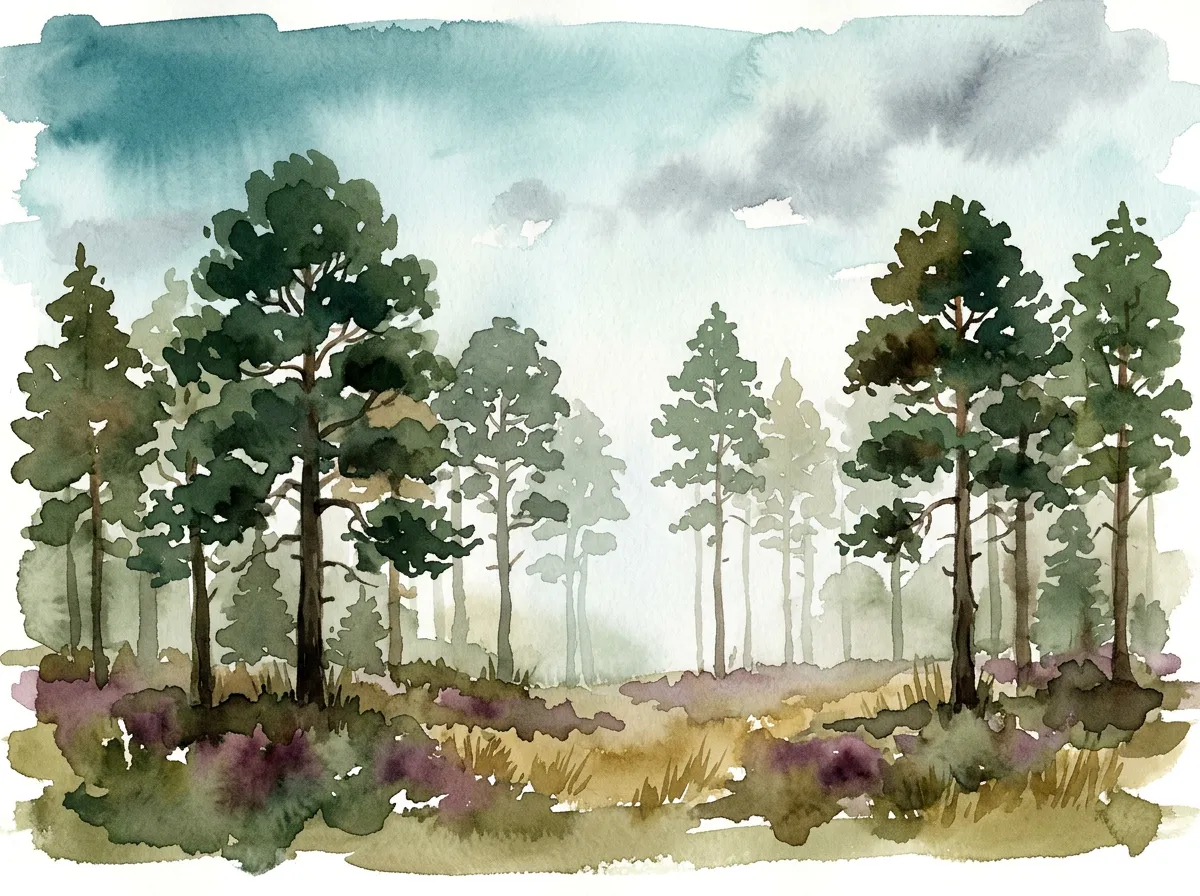
Protect and Restore
Production is secondary.
The goal: optimal conditions for the habitat, species, or cultural asset being protected. Management here is shaped entirely by what the habitat needs.
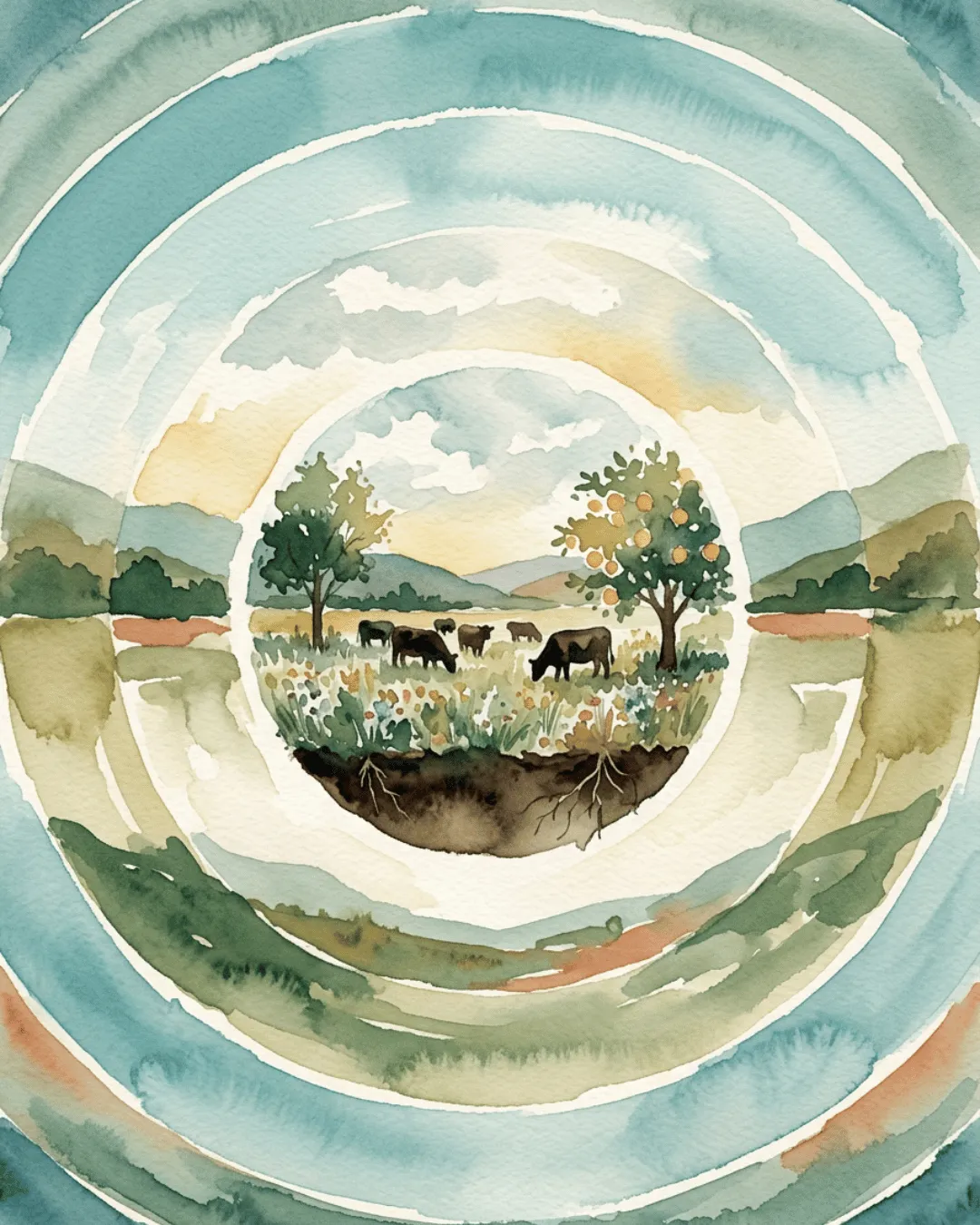
Regenerate
Production is primary.
The goal: healthy aerated productive soils, diverse swards, and genuine food production — done in the way that builds ecological function.
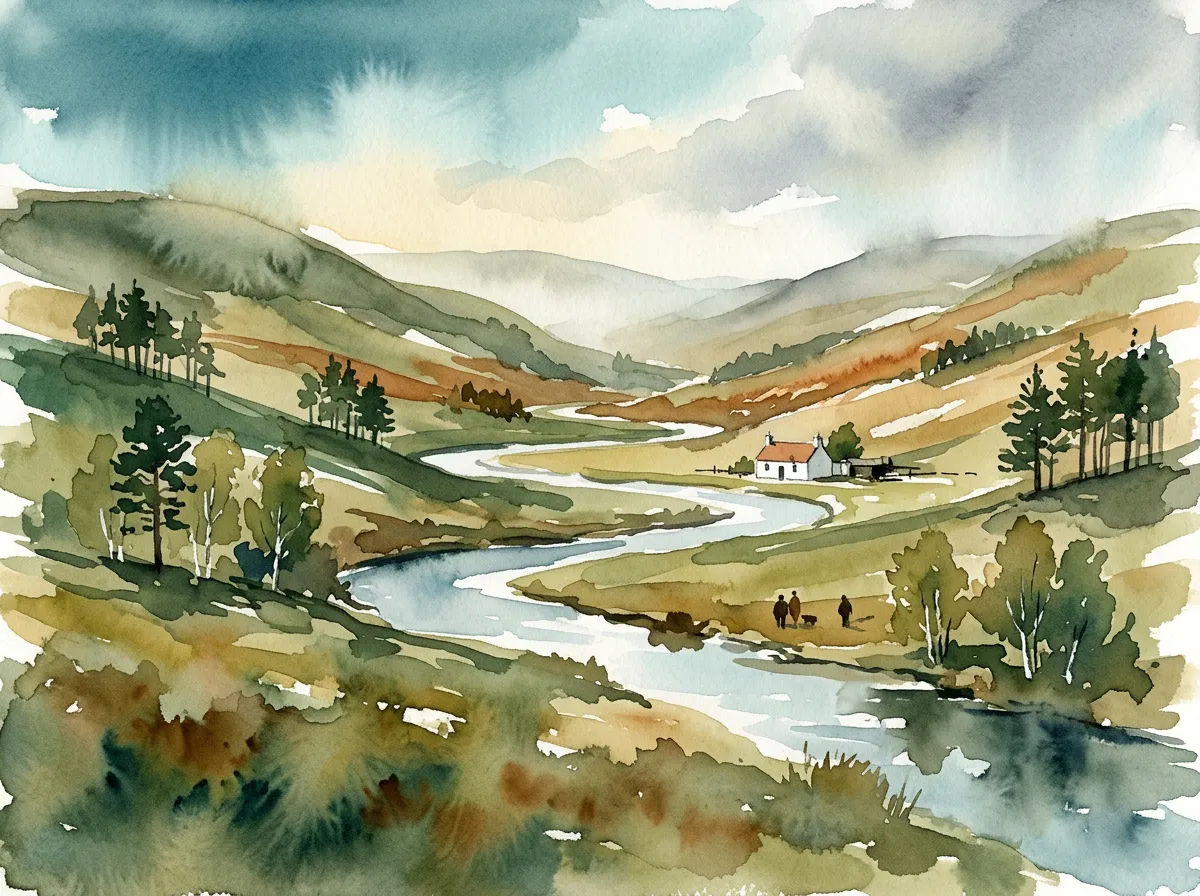
Bioregional Restoration
Production is a by-product.
The goal: self-willed natural processes given the room to operate at landscape scale. This is the zone where we step back from controlling.
The discipline of WILD is naming the zone before debating the management.
Read the full section
Conservation, regeneration, and rewilding each operate by genuinely different logic, and what counts as good management in one is often the wrong management in another. Without a clear way to name which logic applies where, well-intentioned practitioners end up at cross purposes — and apparent conflict between approaches is often just lack of a shared design language.
The Wilderculture Integrated Landscape Design tool — WILD — is the design language we use to make this clear. A design tool sitting within the wider ROOTED framework, WILD divides any farm, estate, or bioregional project into three nested zones, each with a distinct management logic and a clear sense of what production means within it. Once you know which zone a piece of land sits in, what "good management" actually requires becomes answerable. This is how WILD resolves the false choice between conservation, regeneration, and rewilding: all three belong in the design, in different places, doing different work.
Protect and Restore. A wet flush stays wet. A species-rich grassland is grazed in the season and at the intensity that suits the plant community, not the livestock margin. A hay meadow is cut on the meadow's calendar, not the contractor's. Where heritage breeds maintain habitat — hefted hill sheep on a particular sward, native cattle on a fen — they are part of the protection, but the breed serves the habitat, not the other way round. Productivity in this zone is whatever the protected system can sustainably yield without compromising what's being protected. Often that's modest, and that's the point.
Regenerate. On agriculturally improved land, regenerative agroecological techniques rebuild soil biology, increase plant diversity, and restore the landscape's capacity to hold water through soil structure rather than surface waterlogging. Much of this work happens on grassland held in a productive successional state — but always managed to support diverse swards, increase water-holding capacity, and sequester carbon as a function of how production is carried out, not separately from it. Silvopasture, agroforestry, regenerative grazing, mixed orchards, market gardens — these are the techniques. The principle: animals and people, working properly with the land, produce nutrient-dense food and enhance ecological function. The two aren't traded against each other.
Bioregional Restoration. Livestock here — where livestock are present — work as proxies for the wild herbivore dynamics these landscapes evolved with: red deer, cattle, ponies in mixed seasonal movement, mimicking natural process rather than being managed for yield. Beyond that, ecological processes are allowed to do their own work: succession, hydrological recovery, the slow return of complexity that scale and time make possible.
How We Work With Land Managers
The work of designing a regenerative landscape isn't done to land managers — it's done with them. Three threads run through every project we take on.
Read the Place and the People
Every project begins with a rigorous reading of the place — geology, hydrology, climate, altitude, vegetation history — and an equally rigorous reading of the people: the land manager's aspirations and constraints, the community's needs, the cultural lineage of how this place has been managed before.
Build Systems-Thinking Capacity
The land manager who understands their land as a living system makes regenerative decisions almost regardless of which specific practices they adopt. The one who doesn't will implement practices that underperform because they're solving the wrong problems.
Co-Design Plans That Hold Together
Then we work with the land manager to design plans that hold their ecological, social, and economic goals together as one system. The aim: a working farm or estate that's economically viable through what we call solar income.
Read the full section
Bioregional possibility is defined by the meeting of these two readings, not by ecological idealism applied to landscapes whose conditions can't sustain it.
Our work spends most of its time on building the developmental capacity to read landscapes as whole systems, to hold complexity without simplifying it, and to design from genuine understanding rather than from a checklist. Practices follow. They serve a design built on systems-thinking, not the other way round.
Solar income means income derived from sun-grown grass, perennial systems, regenerative livestock, woodland products, and the diversified outputs that healthy soils and biological complexity can sustain over time. The opposite of solar income is subsidy dependence on one side and fossil-input dependence on the other. Plans that succeed across three dimensions at once — ecological, social, economic — are the ones that hold over the multi-decade timescales regeneration actually operates on.
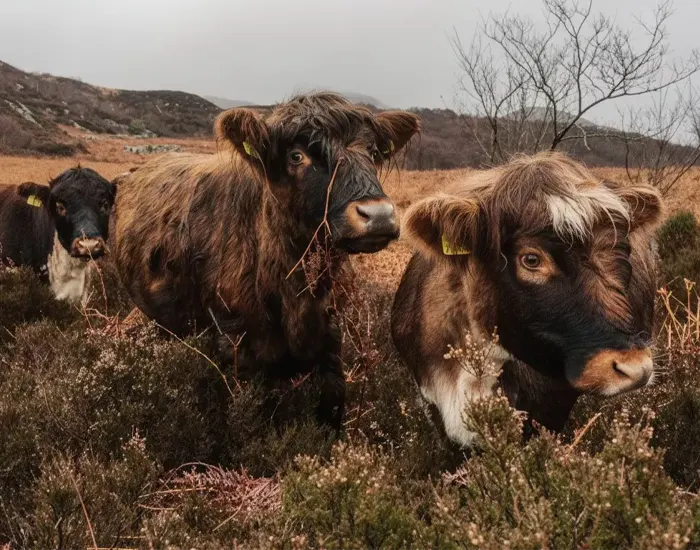
Why Integration Matters
This integrated approach is what makes the difference between regeneration that holds and the costly mistakes of past centralised initiatives — the bog drainage, the hedgerow removal, the uniform afforestation that wasted billions whilst releasing carbon and degrading the ecosystems they were meant to support. Each of those interventions was technically defensible in its own narrow terms. What they all missed was integration: the recognition that ecology, livelihood, and culture in these landscapes are one system, not three.
Done well, this approach produces locally adapted mosaics of regenerative land use that build economic stability through diversified income streams whilst rebuilding biodiversity at the landscape scale that ecological function actually requires. WILD ensures each farm or estate functions as a whole within larger bioregional systems — respecting private ownership and the cultural lineage of place, while contributing to the landscape-scale regeneration the land needs and the rural economy depends on.
What This Looks Like at Scale
What we've seen
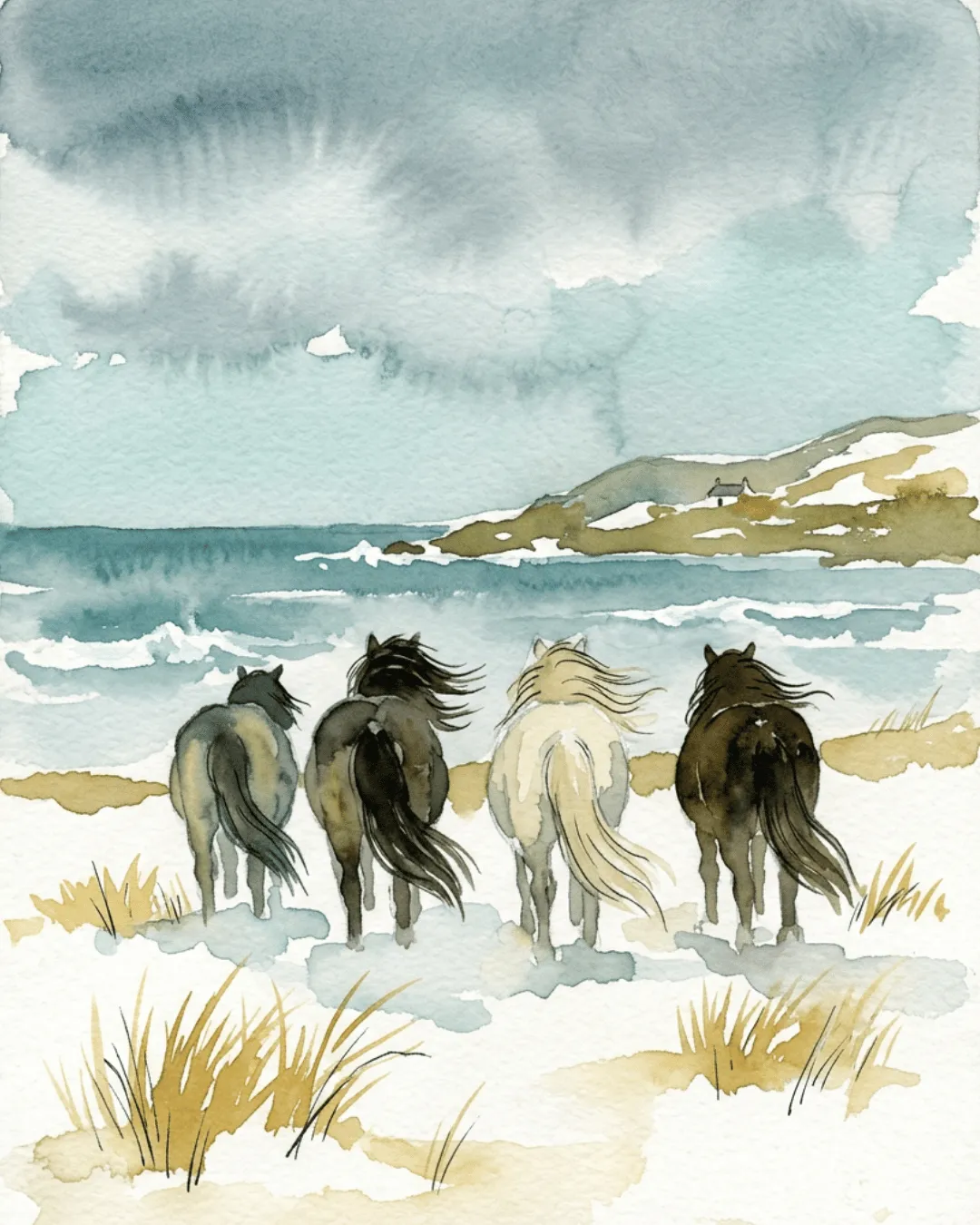
Measurable improvements in soil health, hydrology, and biodiversity, alongside skilled jobs created, communities engaged, and farming households finding economic ground that doesn't depend on subsidy structures.
A connected mosaic
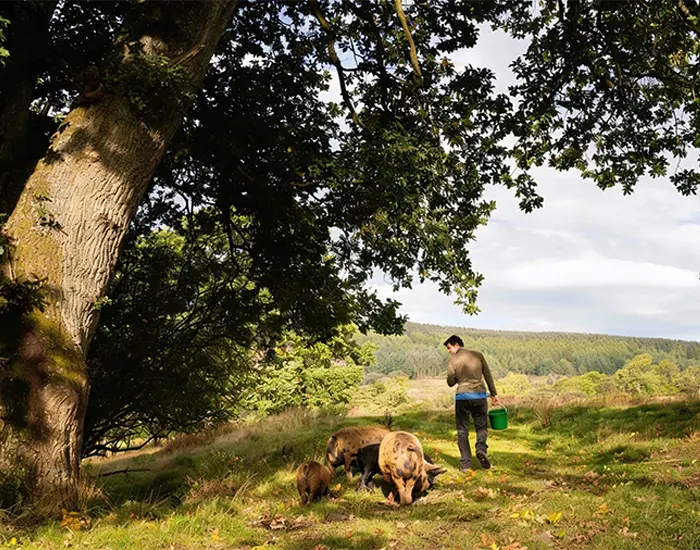
Bioregions where farms, estates, common land, and wilder areas function as a connected mosaic of productivity and recovery.
One million hectares
By 2046, Wilderculture's goal is measurable regeneration across one million hectares and six UK upland regions. Land, livelihoods, and culture recovering together.
Read the full section
Across the farms and estates Wilderculture has worked with — hundreds of thousands of acres of UK upland country — we've seen measurable improvements in soil health, hydrology, and biodiversity, alongside skilled jobs created, communities engaged, and farming households finding economic ground that doesn't depend on subsidy structures that can be withdrawn at a policy change. Upland livestock systems demonstrate that low-input, pasture-based approaches can sequester carbon and produce nutrient-dense food without reliance on commodity supply chains or fossil-input dependence — both genuine sources of agricultural value, neither of them held against ecology.
Beyond individual farms and estates, our work points toward landscape-scale change: bioregions where farms, estates, common land, and wilder areas function as a connected mosaic of productivity and recovery. Diverse land ownership models, community-led initiatives, and the recovery of cultural lineage in how these places are managed all matter to this. We're not aiming to return to a romanticised past — much of what's called "traditional practice" today is itself a degraded modern approximation of what it claims to be. We're aiming forward: drawing on what genuinely worked, leaving the shadow behind, and bringing the rigour of second-tier systems thinking to a future these landscapes are still capable of sustaining.
By 2046, Wilderculture's goal is measurable regeneration across one million hectares and six UK upland regions — the Eastern Highlands, the West Highlands and Islands, the Scottish Southern Uplands, the Northern English Borderlands, the Lake District Fells, and the Yorkshire Dales and Bowland. Land, livelihoods, and culture recovering together. The horizon is intentionally long — these landscapes operate on multi-generational time, and the work has to match. We invite land managers, farming communities, partner organisations, and funders to work with us in the regions where we're already on the ground, and to take the same patterns into their own places wherever those places are.