


Wilder Landscapes
Regenerating Uplands for People, Place, and Planet
Wilderculture CIC envisions a transformative approach to managing the UK’s upland, marginal, and island landscapes—our ‘wilder’ lands. Marked by fragile ecosystems and socio-economic decline, these regions are central to our mission to foster regenerative solutions that integrate ecological restoration, food production, and community revitalisation.
A Decade of Action Research
For nearly a decade, our action research across thousands of hectares in the West Highlands & Islands, Lake District Fells, Southern Uplands, Central Highlands, and Welsh Marches & Snowdonia has deepened our understanding of transitioning these culturally rich landscapes towards profitable, regenerative systems. Using the ROOTED framework, a whole-system regenerative design tool, we collaborate with landowners to co-create tailored plans that balance environmental, social, and economic goals, ensuring resilience and vitality.
Transcending Polarised Debates
Our approach transcends the polarised debate between rewilding and conventional farming, promoting a nuanced model where humans act as keystone species, regenerating landscapes through context-specific agroecological practices. Rather than imposing uniform solutions, we recognise that uplands are complex systems requiring integrated responses that embrace rather than simplify their inherent diversity.
WILD
The WILDER Philosophy in Action
The Wilderculture Integrated Landscape Design (WILD) mapping process guides our work, offering a holistic framework that addresses the “wicked problem” of upland management through three integrated zones:
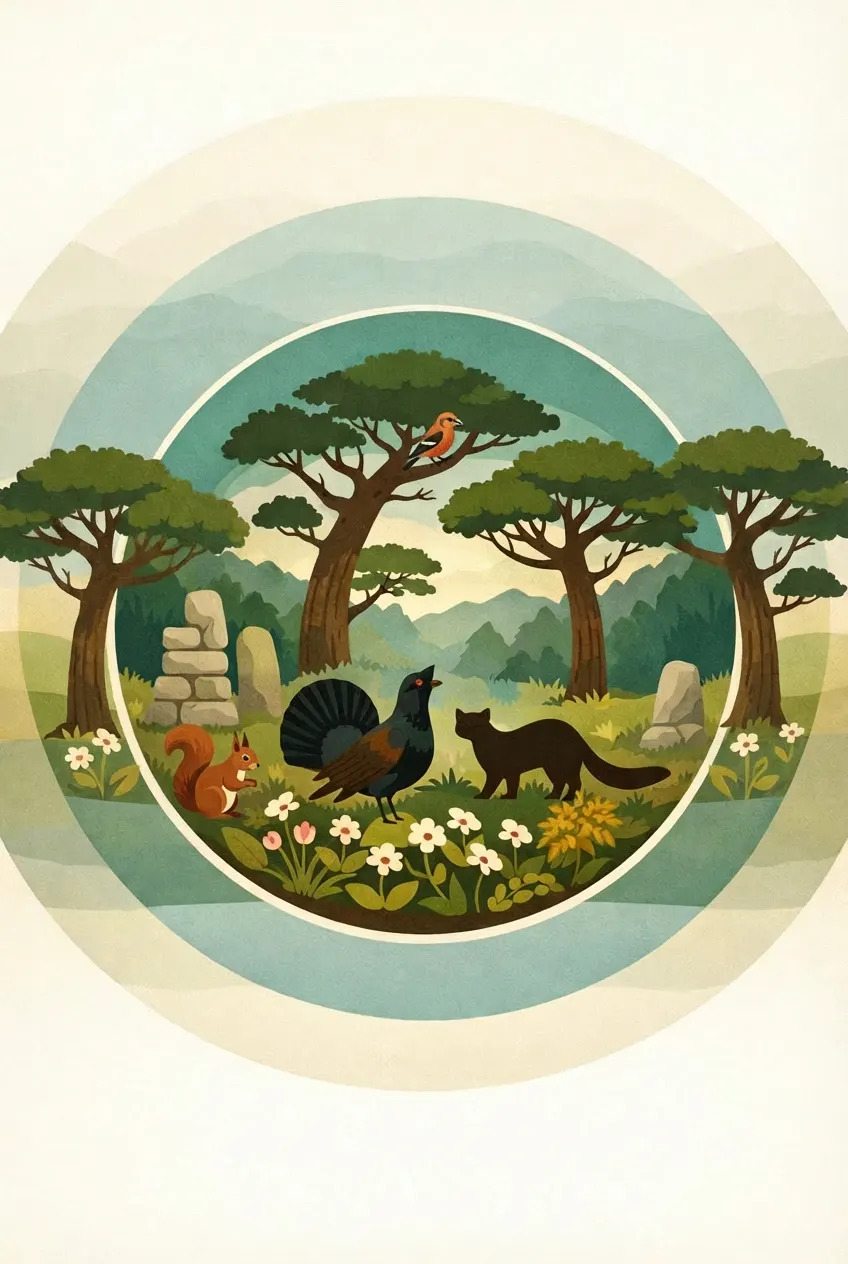
Protect Ecological Foundations
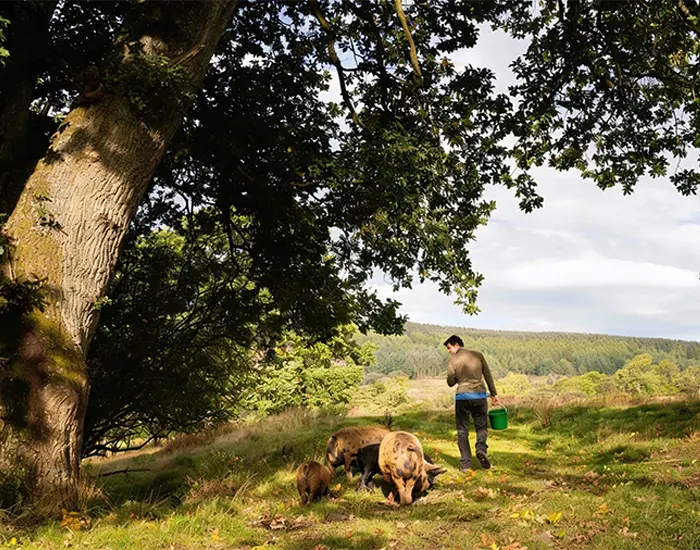
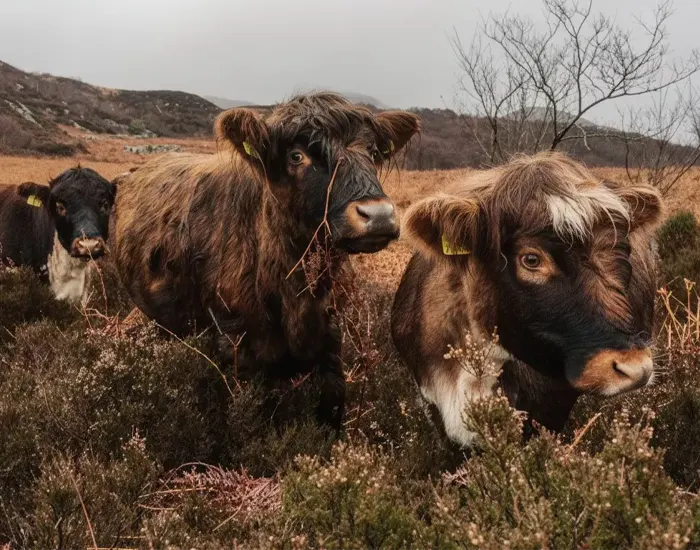
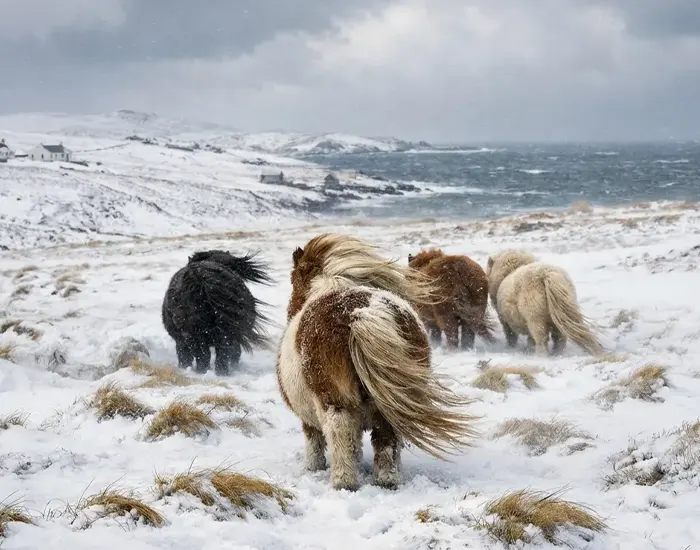
Safeguard rare habitats, species, and cultural assets (e.g., traditional grazing with heritage breeds). Restore missing elements—native plants, wildlife corridors—whilst removing invasives, preserving genetic diversity, and adapting heritage practices for a regenerative future. This zone prioritises conservation whilst recognising the cultural landscapes that have shaped these bioregions.
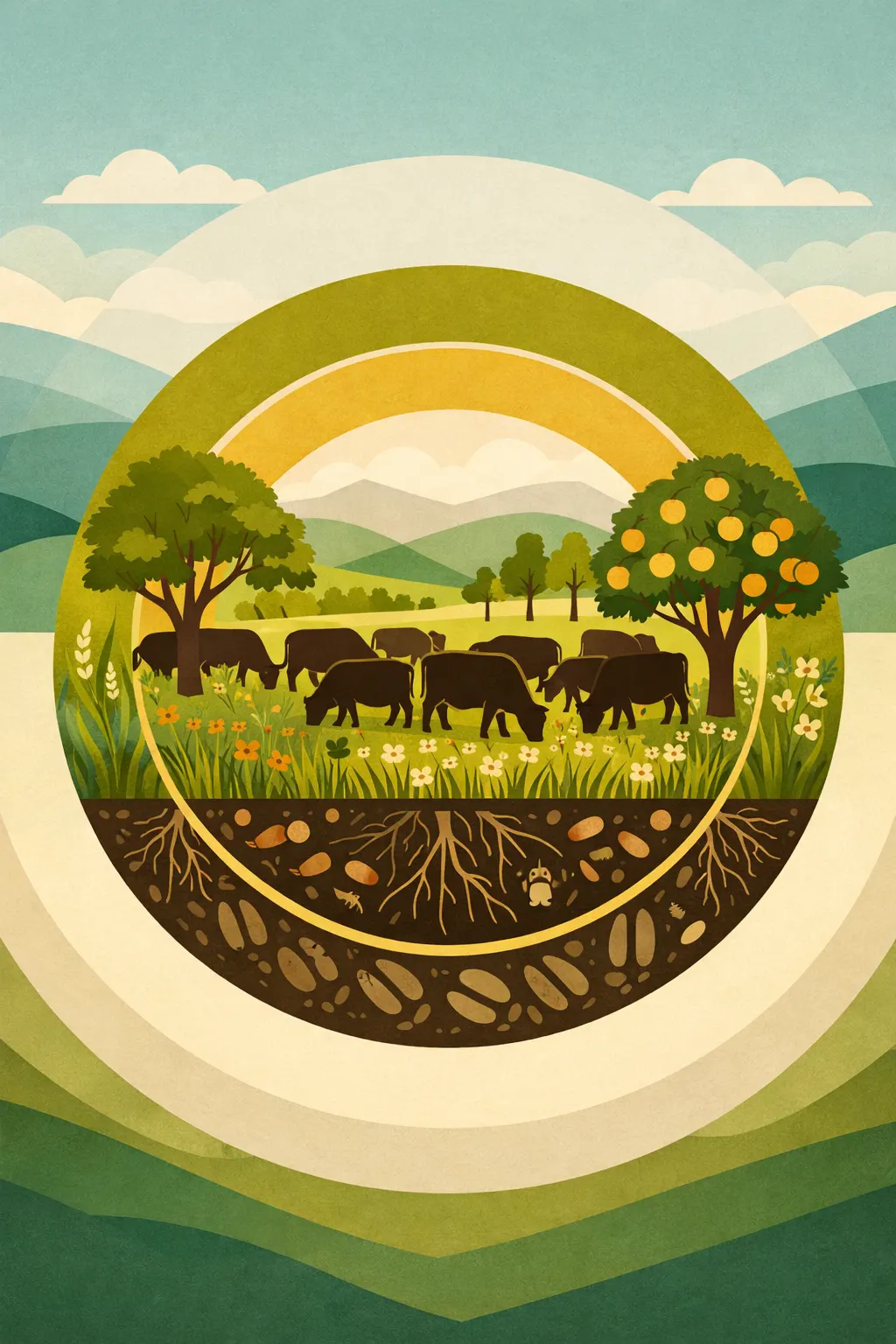
Regenerate Productive Zones
In agriculturally improved areas, deploy context-specific regenerative techniques—silvopasture, agroforestry, regenerative grazing systems, Wilder Orchards—to rebuild soil, boost biodiversity, and enhance water retention. Regenerative livestock systems demonstrate there’s no trade-off: animals enhance ecology whilst simultaneously producing nutrient-dense food without subsidy dependence.
Bioregional Restoration
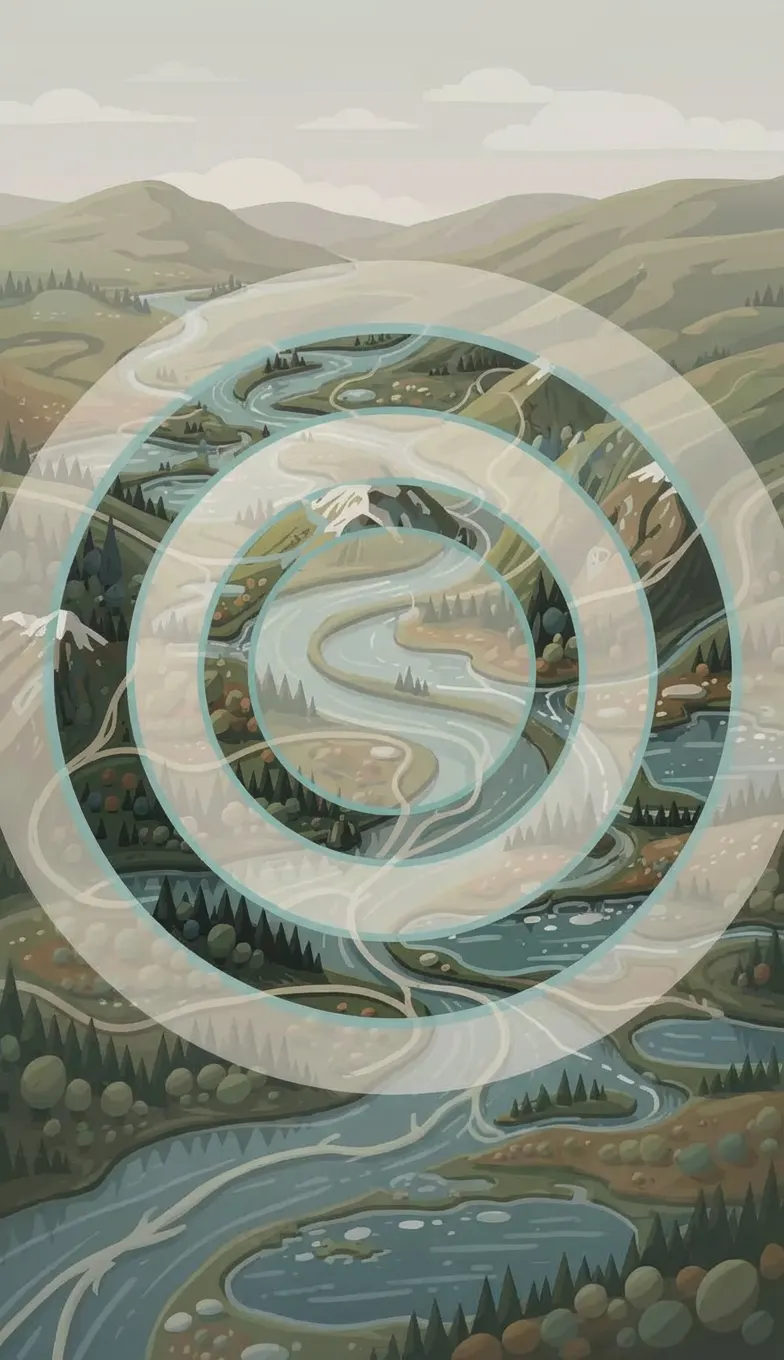
Engage deeply with each bioregion’s unique cultural and ecological context, fostering collaboration with local organisations and developing strategies to connect landholdings through zones of self-willed, landscape-scale ecological restoration. This creates wildlife corridors and climate-cooling landscapes that link productive and protected areas.
A Regenerative Design Process
Step 1: Understand the Context – Assess the land (geology, topography, habitats, species, history) and the people (owners’ aspirations, community needs, cultural heritage) to define regenerative possibilities within bioregional constraints.
Step 2: Train and Empower – Educate landowners and communities in regenerative principles, building systems thinking capacity to navigate complexity and adapt to changing conditions.
Step 3: Co-Design Integrated Plans – Develop resilient, profitable strategies that harmonise ecological, social, and economic goals, creating “solar income” from regenerative products rather than dependence on uncertain subsidies or grants.
Why Integration Matters
This holistic approach avoids the costly mistakes of past centralised initiatives—bog drainage, hedgerow removal, uniform afforestation—that wasted billions whilst releasing carbon and degrading ecosystems. By creating locally adapted mosaics of regenerative land use, we build economic stability through diversified “solar-based income” whilst enhancing biodiversity through connected landscape-scale restoration.
The WILD framework ensures each farm or estate functions as a whole within larger bioregional systems, respecting private ownership and cultural values whilst contributing to landscape-scale regeneration that benefits everyone.
Impact and Future Vision
Spanning thousands of hectares across our five priority bioregions, our projects have demonstrated measurable improvements in soil health, hydrology, and biodiversity whilst creating skilled jobs and fostering community engagement. From upland livestock systems to innovative Wilder Orchards, we show how low-input, pasture-based approaches can enhance carbon sequestration and produce nutrient-dense food without reliance on subsidies.
By championing diverse land ownership models and supporting community-led initiatives, we aim to reverse rural depopulation and preserve cultural heritage, reimagining traditional practices for a regenerative future. Our vision extends beyond individual projects to landscape-scale transformation: imagine every upland farm and estate adopting integrated regenerative approaches, creating connected mosaics of productivity and wildness that cool climate whilst supporting thriving rural communities.
Looking ahead, Wilderculture aspires to demonstrate this approach across 1 million hectares through our five priority bioregional hubs, building the evidence base and cultural momentum needed for broader transformation. We invite landowners, communities, and funders to join us in creating vibrant, interconnected landscapes where farms, estates, and wild areas thrive as regenerative systems, ensuring people, place, and planet flourish together.