


Wilderculture's WILDER Philosophy
Beyond Partial Solutions
The UK’s upland, marginal, and island landscapes are trapped in polarised debates—rewilding versus farming, conservation versus community, tradition versus innovation. Each perspective sees only a partial piece of the whole complex picture, creating wicked problems that delay meaningful action, fail to address root causes, and confuse people into inaction.
Wilderculture’s WILDER philosophy transcends these limiting paradigms: Wildness, Interbeing, Learning, Diversity, Ecology, and Regeneration. Unlike rewilding, which often sidelines human influence, or conventional farming, which prioritises short-term productivity over ecosystem health, WILDER integrates people as keystone species within thriving bioregions where agroecological farming, ecological restoration, and resilient economies intertwine naturally.
Our approach recognises what decades of polarised thinking have missed: the most biodiverse and culturally rich landscapes emerge when humans and nature co-evolve in regenerative partnership. From terraced vineyards to crofting systems, thriving bioregions develop when communities become regenerative stewards rather than extractive users or absent managers.
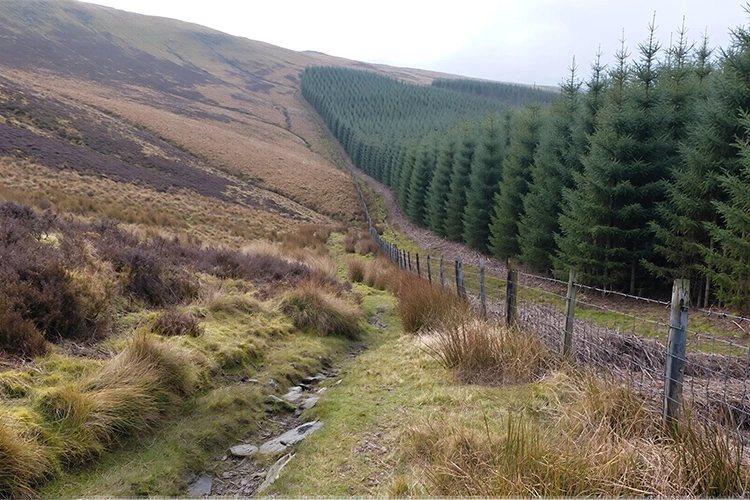
The WILDER Philosophy in Action
Each principle guides our mission to regenerate UK uplands through deep place-based transformation that honours both cultural heritage and ecological vitality.
Wildness Embracing Elemental Conditions
Embracing the raw, elemental conditions—harsh weather, rugged terrains, and extreme conditions—that shape marginal, upland, and island landscapes, whilst honouring their unique cultural landscapes and turbulent histories, which inspire art, literature, and traditions, forging a distinct character that defines their enduring significance.
Where conventional approaches impose standardised solutions and rewilding often erases cultural heritage, WILDER celebrates these challenging conditions as the elemental forces that create culturally rich and ecologically distinctive bioregions.
Diversity The Foundation of Resilience
We celebrate and actively cultivate the ecological and cultural richness of upland landscapes—from native species diversity to diverse community practices, farming systems, and ways of knowing that make each bioregion unique, creating vibrant systems that adapt to uncertainty whilst maintaining their essential character.
Where industrial agriculture homogenises landscapes and rewilding sometimes prioritises single species, WILDER integrates multiple scales of diversity—genetic, species, ecosystem, cultural, and economic—creating bioregions that are both stable and adaptive.
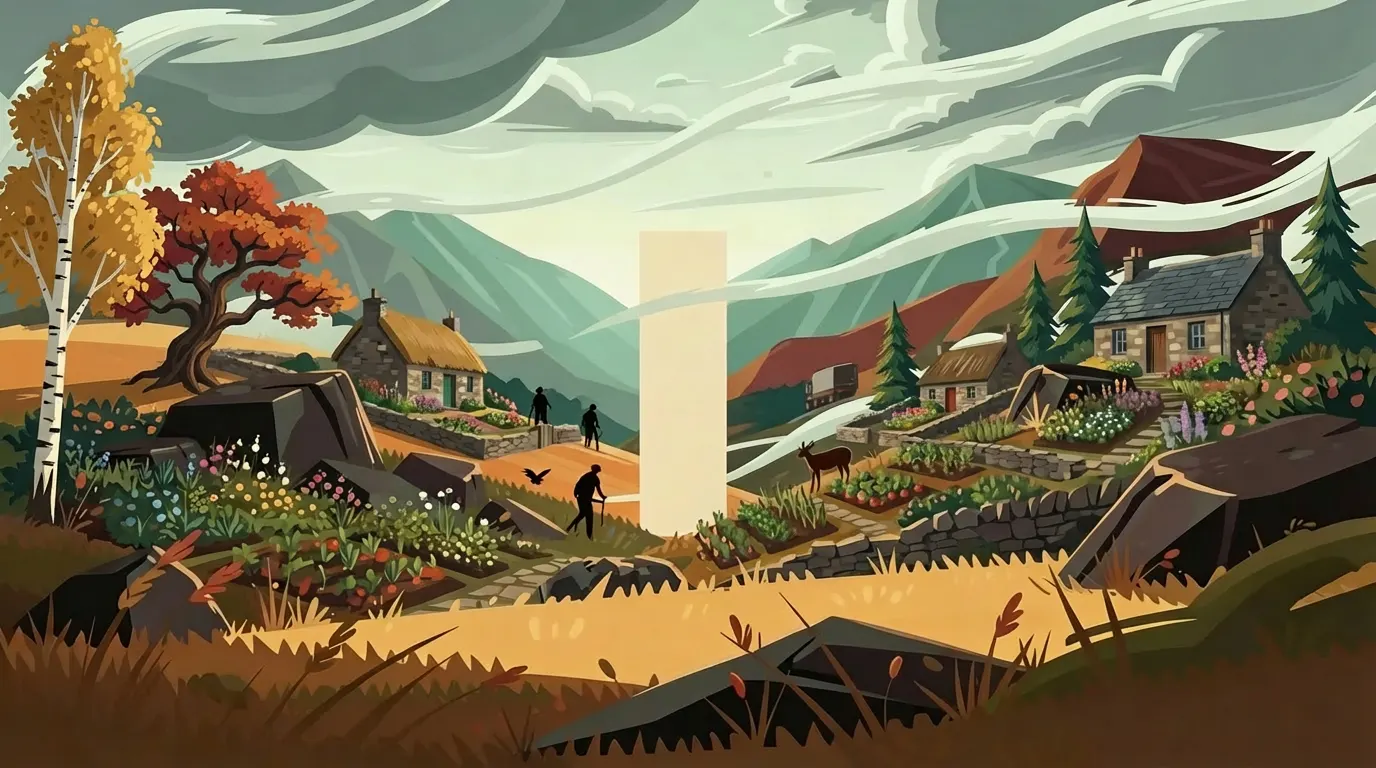
Interbeing Beyond Human-Nature Separation
We reject the false binary that positions humans as either separate from nature or absent from it entirely. Instead, we recognise our profound interdependence with the living world, fostering collaborative stewardship that strengthens both community and ecological resilience.
Where rewilding removes human agency and conventional farming treats nature as resource, WILDER creates regenerative systems where human flourishing and ecological health mutually reinforce each other.
Ecology Regenerative Integration
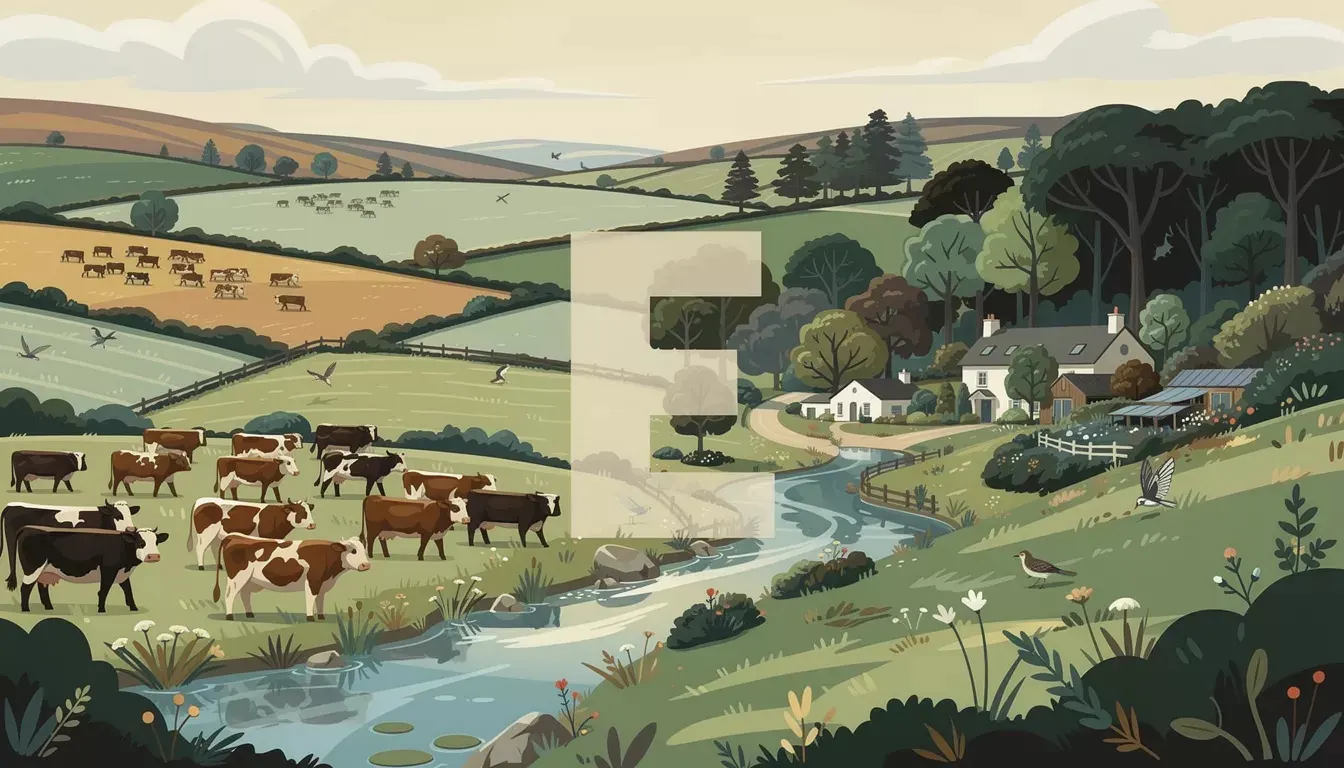
We integrate agroecological farming and ecological restoration as complementary aspects of bioregional regeneration, moving beyond the false choice between productive land use and habitat conservation. Blending traditional farming wisdom with innovative regenerative design, we demonstrate how working landscapes can simultaneously produce nutrient-rich food, sequester carbon, enhance biodiversity, and restore ecosystem functions.
This challenges both conventional farming’s extractive relationship with ecosystems and conservation’s protective separation, showing how farms can become habitat creators and food production can drive ecological restoration.
Learning Adaptive Intelligence for Complex Systems
We cultivate regenerative leadership and adaptive intelligence within communities, recognising that bioregional challenges require collaborative learning rather than top-down expertise. Through dialogue between traditional knowledge holders and regenerative innovators, we inspire community-led solutions that evolve continuously.
This distinguishes WILDER from conventional agriculture’s reliance on external inputs and conservation’s tendency toward protective regulation, instead building capacity for communities to read their landscapes and innovate place-based solutions.
Regeneration Beyond Sustainability
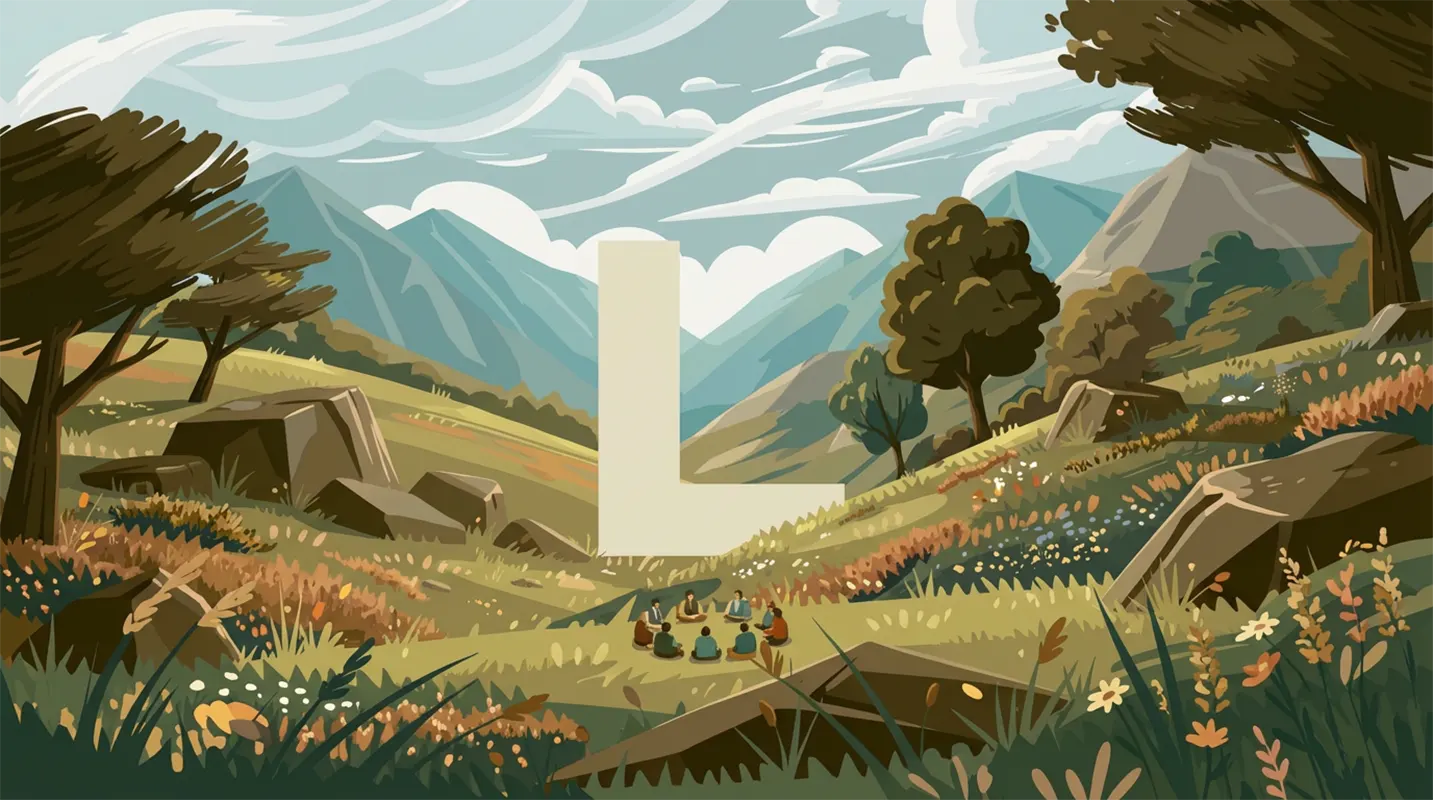
We apply living systems principles to restore soils, biodiversity, watersheds, and communities, going far beyond sustainability to create systems that actively heal historical damage whilst building capacity for future flourishing. By weaving traditional practices with agroecological innovation, we demonstrate how bioregions can become more resilient, productive, and culturally vibrant over time.
Regeneration supports the natural evolutionary capacity of bioregions to develop greater complexity, beauty, and abundance through conscious human partnership with ecological processes.
Why WILDER Matters
Healing False Separations
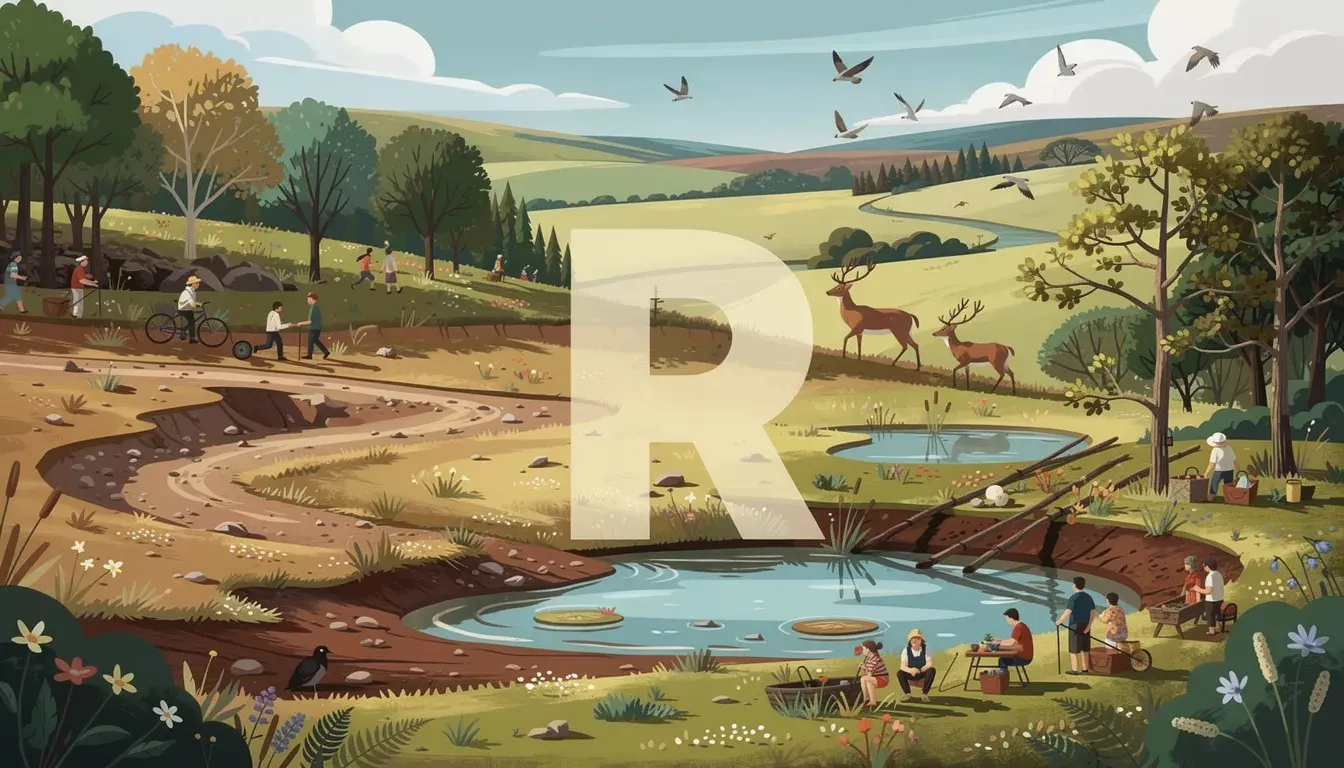
Humanity’s “story of separation” has shaped systems that value efficiency over relationships, extraction over regeneration, and competition over collaboration. This disconnection has fuelled climate disruption, biodiversity loss, rural depopulation, and farming systems that are neither economically viable nor ecologically sustainable.
WILDER addresses these root causes through systems thinking that recognises the interconnection between soil health and community health, between cultural vitality and ecological resilience, between economic security and landscape restoration. By working with rather than against natural and cultural systems, we demonstrate pathways beyond the crises that false separations have created.
Our Integral Approach
Weaving Wholes
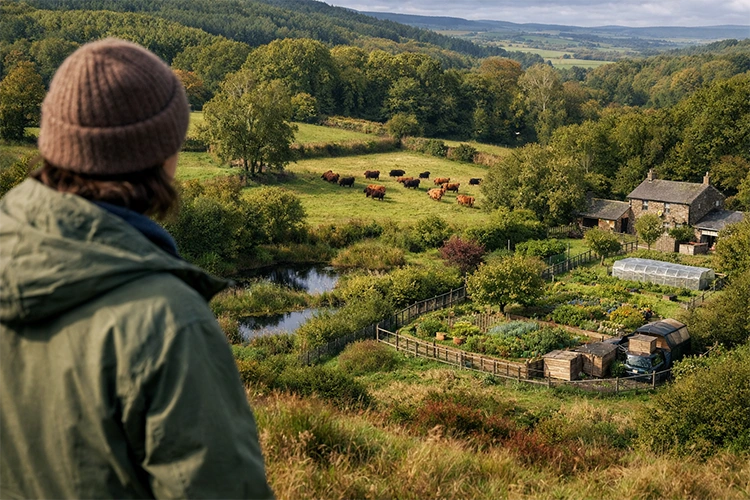
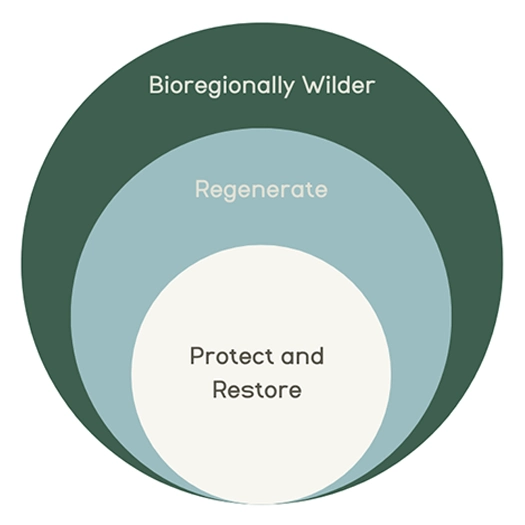
Caught between competing demands—conservation versus farming, tourism versus agriculture, tradition versus innovation—upland bioregions face pressures that fragment both landscapes and communities. WILDER’s ROOTED framework transcends these tensions by weaving cultural heritage, agroecological farming, and ecological restoration into coherent, landscape-scale strategies where apparent contradictions become creative tensions generating innovative solutions.
Our integral approach ensures that regenerative practices strengthen rather than compromise cultural identity, that ecological restoration enhances rather than threatens economic viability, and that community development supports rather than fragments landscape health. Through patient, place-based work, we demonstrate how the richest solutions emerge when we stop choosing between human and natural flourishing and start designing for both.