The Wilderculture Approach Transition
A whole system approach
Introduction
If we are to cool our planet, reverse biodiversity collapse, revitalise culturally rooted communities and secure nutrients for a growing population, then we must adopt a regenerative “whole system” approach to managing our landscapes.
The Wilderculture Approach is where we use regenerative design principles to co-create socially, economically and environmentally integrated management plans for upland and marginal landscapes.
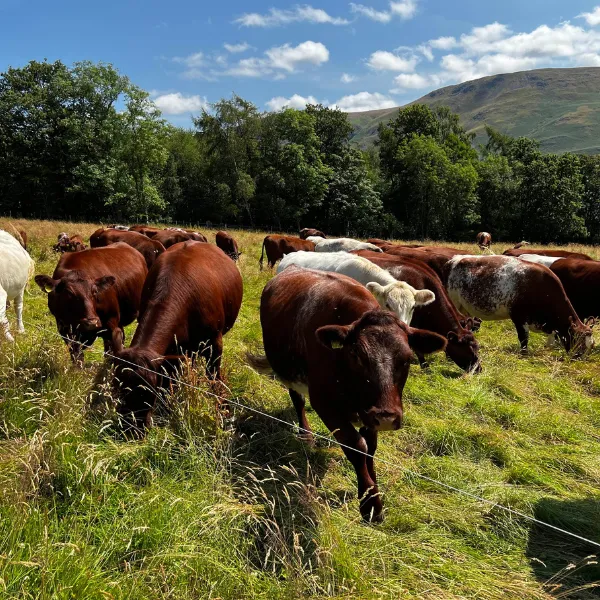
Watch the video below to learn more from farms in transition.
What is it?
The Wilderculture Approach
The Wilderculture Approach uses regenerative principles to design management plans for upland and marginal landscapes. Plans that make economic sense. We work alongside landowners and managers to co-create these plans.
Our methods integrate all the social, environmental and economic factors unique to each project.
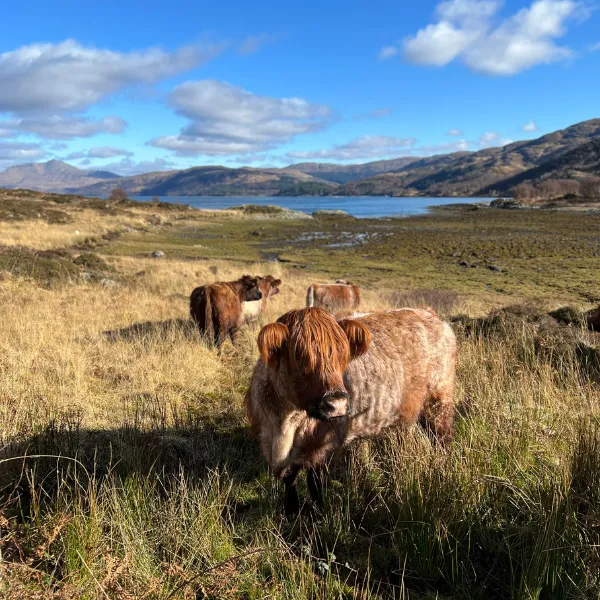
Upland and marginal landscapes in Britain are mostly farmed with livestock, but these landscapes once comprised a far more complex mosaic of habitats than they do today and supported large populations of people. This is because herbivores can either degenerate or regenerate land, depending on how they are managed.
Sadly, our uplands have been subjected to selective grazing over the last couple of centuries, which has resulted in a simplified and downgraded landscape. This ecological downgrading has reduced biodiversity and significantly reduced productivity.
At Wilderculture, we specialise in creating regenerative grazing plans that rapidly stimulate regeneration at a landscape scale. By doing so, we integrate high-quality food production with ecological restoration.
Our regenerative principles apply not only to upland farming but also to conservation or rewilding projects where livestock might be used as a tool for such restoration.
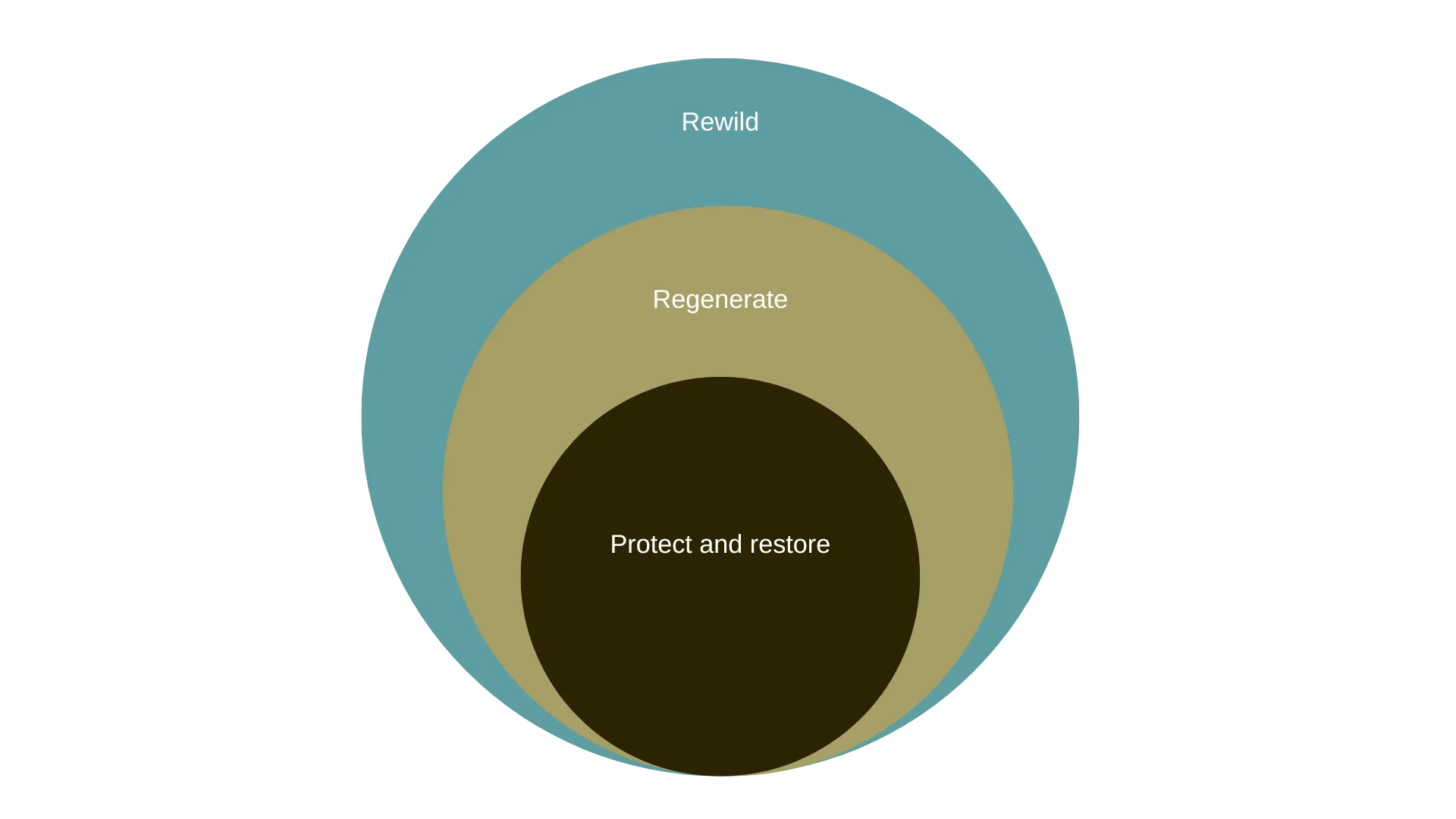
As part of our regenerative design process, we use a holarchy of regeneration to identify important habitats or species to protect, to regenerate agricultural land into highly productive agroecological food production and to seek opportunities to restore self-willed natural processes over larger connected landscapes.
Read the full section
Managed with regenerative principles, herbivores rapidly cycle carbon into the soil matrix, kickstarting soil life. This creates a cascade of biodiversity, and with it productivity.
The landowners and managers we work with no longer require as many expensive inputs such as bought-in feed. They are often able to outwinter their livestock because they work towards livestock that are suitable for their environment, and winter grazing is pre-planned throughout the year.
Because our approach restores the land’s natural productivity, we also see the burgeoning of wildlife. This restoration of ecosystems increases the health of both wild and domestic species.
Livestock have available to them a far more varied diet, which stimulates health and vitality, and animals are able to self-medicate with plants, herbs and trees. Over the longer term, as the complexity of community dynamics increases in the ecosystem, problem species become less dominant.
On our projects, we see a reduction in vets’ bills and the need for prophylactic treatment. In its place, we encourage testing for parasites and the monitoring of livestock health to ensure that it remains optimal. All of this feeds back into ecosystem complexity, as key species, such as dung beetles, return to the land.
When livestock are managed with regenerative principles, what we find below the soil surface is a highly diverse ecosystem with an ever-deepening soil-carbon matrix. This is the vast landscape-scale sponge that holds water, making land far more resilient to floods and drought.

Increased Biodiversity

Builds Soil Health

Effective Ecosystem Services

Reduced Carbon Footprint

Economically Viable Plans

Adapted to People and Place
In the face of political and climate uncertainty, the Wilderculture Approach is an excellent choice for securing an economic and environmentally resilient future.
What does it involve?
The Wilderculture Approach Transition
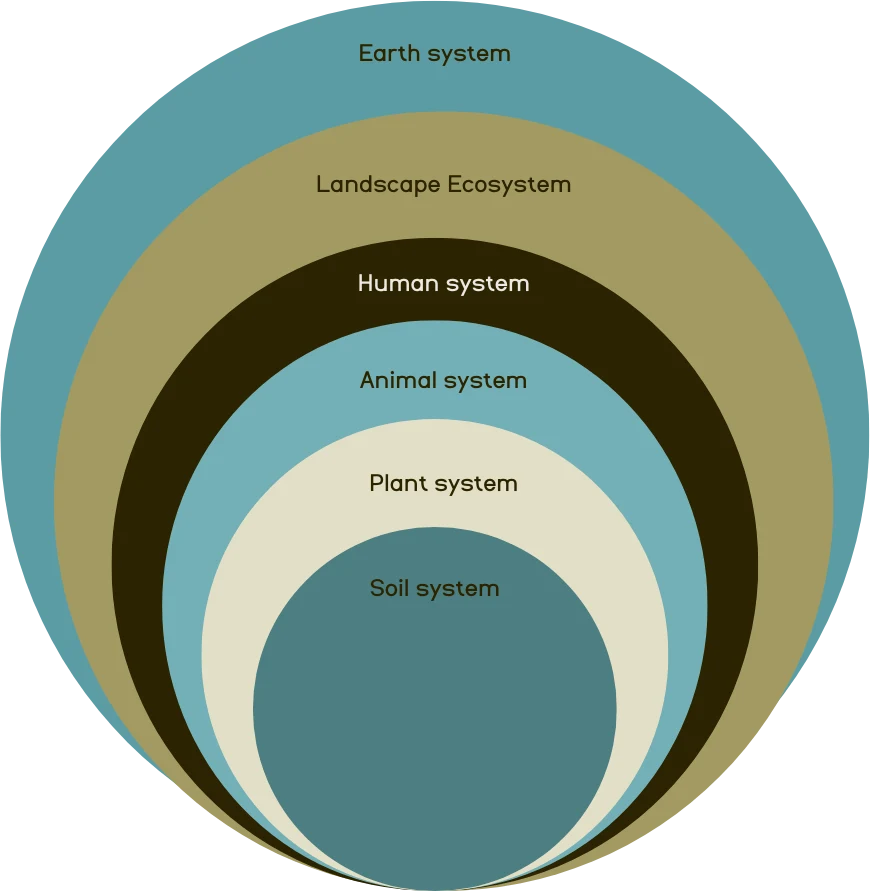
In order to benefit from a highly functional whole system, which is our end goal, several parts of our farm ecosystem need time to transition.
Soils must become biologically active and build in natural fertility. Plant communities need to shift to become more complex and plants must build nutrient bridges with the living soil. Livestock must be selected for their resilient traits and suitability for the system. Landscapes must become more complex, supporting a wide diversity of habitats and wildlife.
People need time to learn the approach, see problems differently, make decisions holistically, and build a capacity for resilience. The communities and people with whom the management interacts need to understand the aims and objectives of the approach.
This transition typically takes decades with many setbacks along the way. At Wilderculture however, we have developed expertise in accelerating this transition through proactive training, coaching and peer-to-peer support. Landscape-level changes will still take time, but the sooner a plan is developed and management decisions are moving you towards your goals, the sooner you will reap the rewards of whole system function.
Who is it for?
The Wilderculture Approach Transition package is ideal for those who are managing or intend to manage a land base in an upland or marginal landscape.
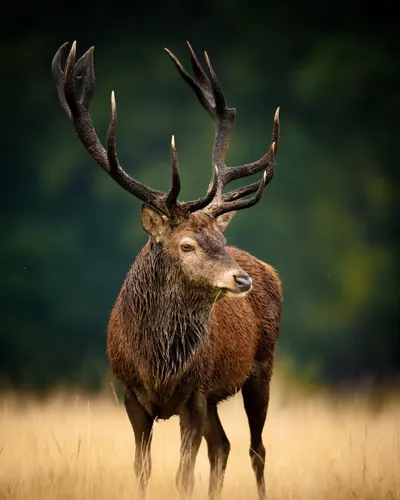
Farms or Estates
Ideal for large farm or sporting estate teams in marginal or upland settings.
The whole farm/estate team is invited to go through the site-based training.
Although the content is taught through the lens of the UK context, the framework can be applied to any landscape worldwide.
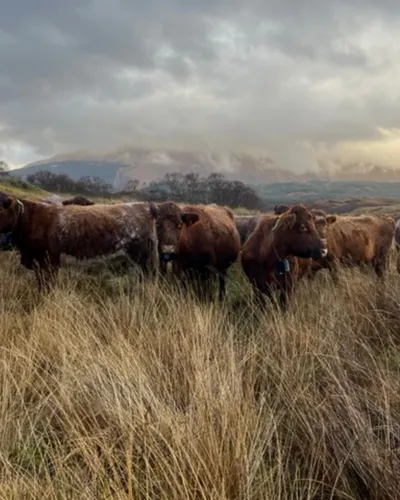
Land Consultants
The Wilderculture Approach is a good fit for land-based farm or conservation consultants and land agents who work in the uplands and would like a framework to use for their farm or estate clients.
It will be helpful, although not essential, to have a farm to use as a case study or live project throughout the year.
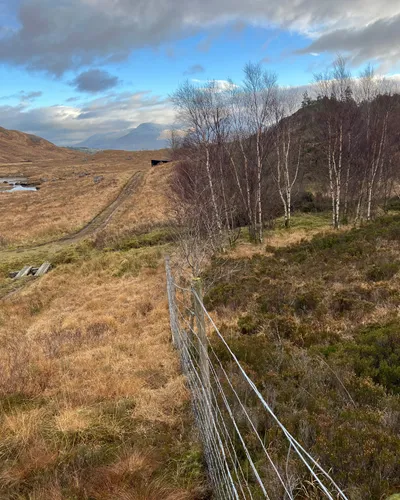
Conservation or rewilding project managers
The Wilderculture Approach framework is ideal for nature conservation managers who are interested in developing process-led management plans that include large herbivores.
What does it involve?
Wilderculture Approach Transition
Adopting the Wilderculture Approach on your farm or estate will require a design and transition process that has several planning stages:
- Learning the principles of regeneration.
- Designing your whole system context – environmental, social and economic goals.
- Developing the habitat, grazing and animal health plans.
- Whole system decision-making and ongoing tailored support.
- Developing and implementing your monitoring programme.
- Ongoing support.
This process can be undertaken by attending the courses we run from Wilder Gowbarrow, working through a consultancy arrangement based on your farm or estate or, most often, a combination of both. The process of adopting a Wilderculture Approach is flexible and can be adapted to your timeline and budget.
Modules
The Wilderculture Approach transition series
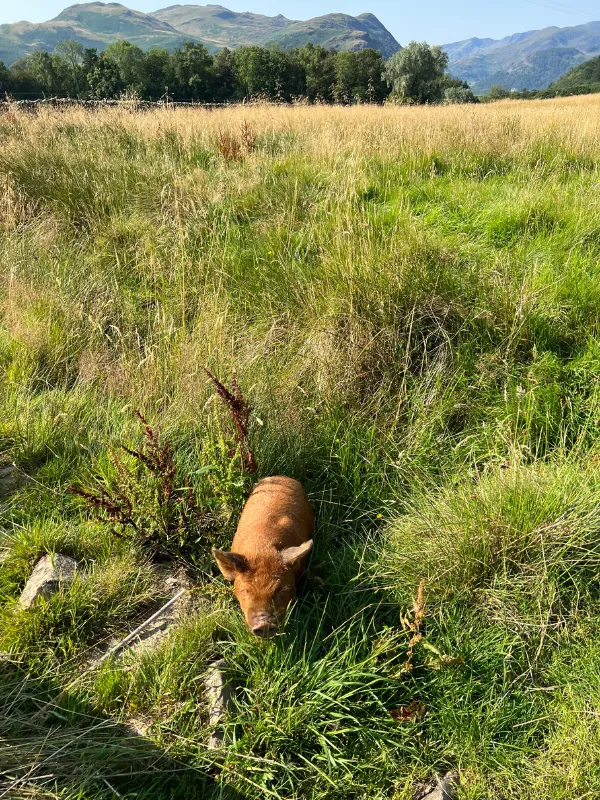
Principles of regeneration
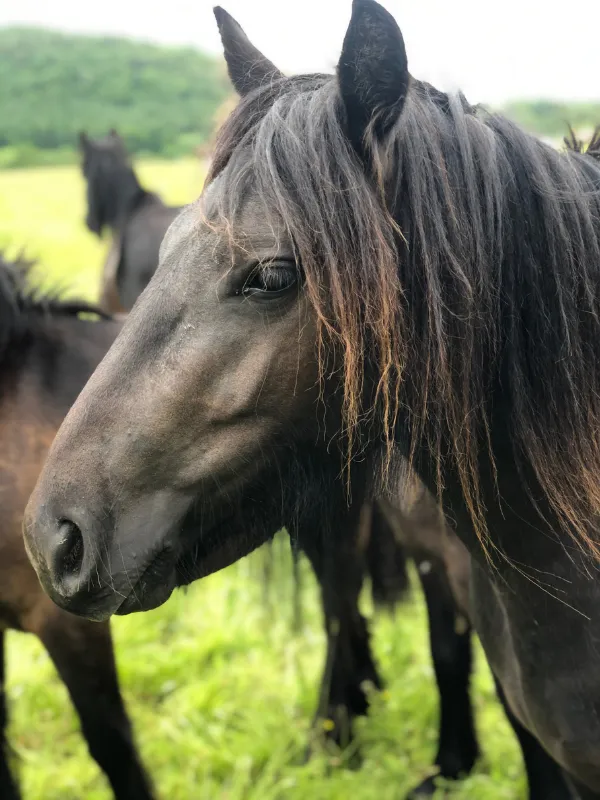
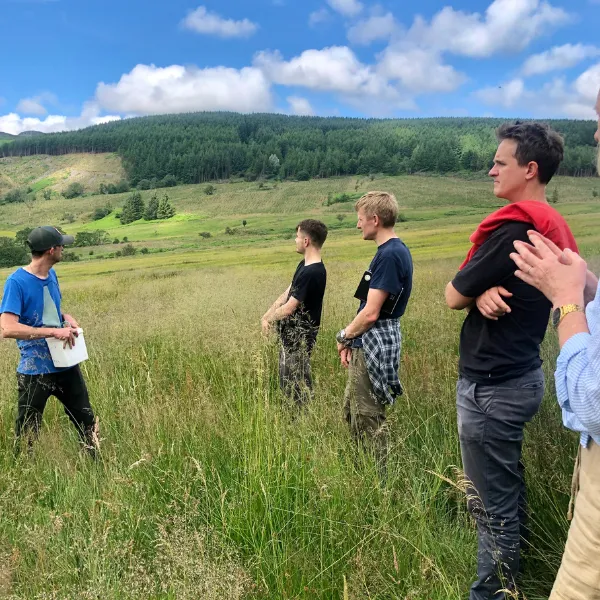
Over a two-day farm-based training session led by Caroline, you will learn the principles of regeneration.
We cover how to assess the condition of your land and learn how to apply natural processes as tools to increase primary productivity, improve soil health, resilience to drought or flood and enhance biodiversity.
The farm session will be followed up by an online self-led interactive training resource.
Developing your context
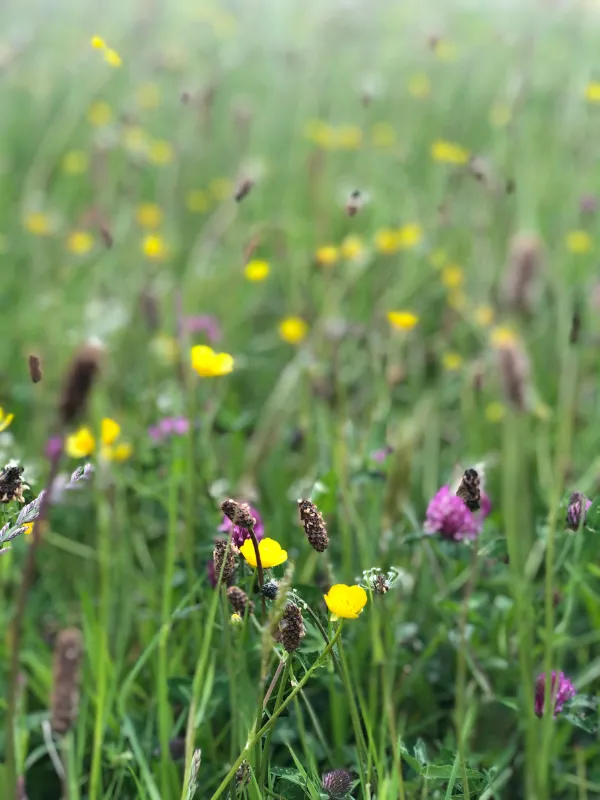
Following a live online training session and a series of information-gathering assignments, you will attend a two-day training at Wilder Gowbarrow (or on your farm) led by Caroline to develop your unique environmental, social and economic goals – or context.
This is the 200-year vision for your property that will be used as a guide when making management decisions.
Developing the habitat and grazing plans
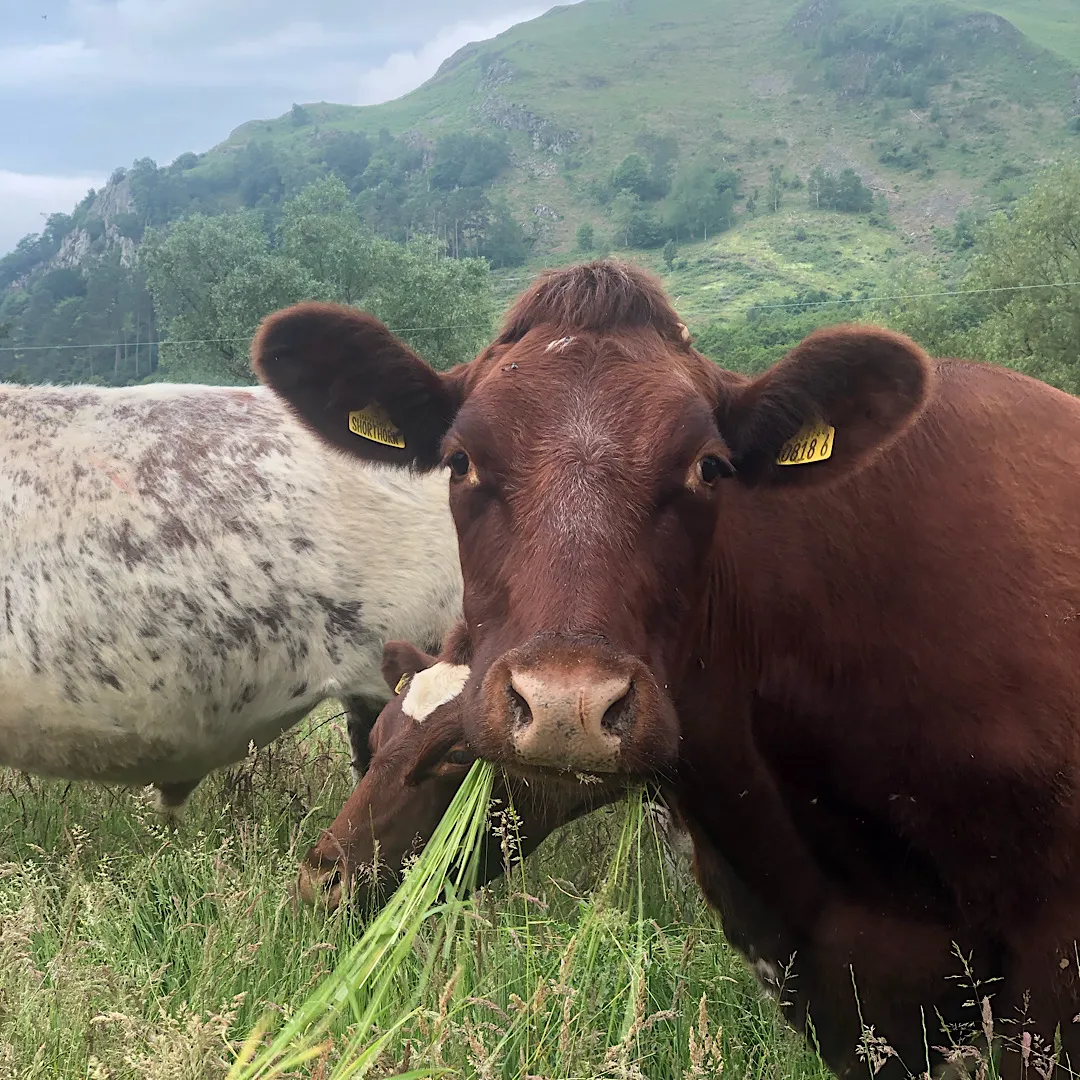
Following a live online training session and a series of information-gathering assignments, you will attend a two-day training at Wilder Gowbarrow (or on your farm) with Sam or Caroline to develop your land management and grazing plans.
Developing your first grazing plan is an involved and daunting task. We take you step by step through the process for the first time, and you will receive ongoing support via the online fortnightly clinics to help you adapt the plan as you go through the season.
Developing wildlife and livestock health plans
Three online live sessions will prepare the information for developing animal and wildlife health plans.
A session with a regenerative vet where you can invite your own practice vet to attend.
A session on livestock genetic selection strategies for Wilderculture projects.
A red flag session with Alex Tomlinson where you learn a process for reducing the negative impact of species that are causing problems or promote the resilience of important species in the ecosystem.

Outcome Monitoring
In regenerative systems, you cannot claim to be regenerative unless you can prove you are achieving regeneration.
What and how to measure these outcomes is context specific and will depend on the claims you want to make about your management.
Monitoring might include soil health, water infiltration rates, biodiversity indicators, animal health markers, profitability metrics and much more.
We can help you design your monitoring plan and can fit the suite of monitoring options to your budget and desired outcomes.
Online consultancy and clinics
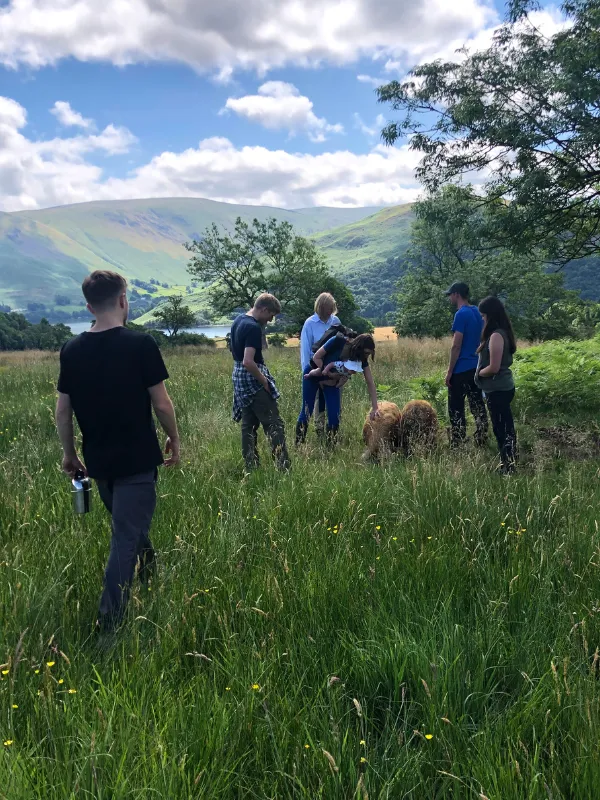
For anyone who has attended the basic training or beyond, we offer fortnightly consultancy Zoom clinics where you can drop in and ask questions. The clinics will include different Wilderculture team members to benefit from the range of expertise, along with specific guest specialists to address any issues that have become a common theme in the group.
Continuous learning
Ongoing Support
Many regenerative courses leave practitioners with more questions than answers. We are taking a comprehensive approach that can be adapted to the learner’s level.
The farm-based training sessions will be essential for adopting the Wilderculture Approach. To accompany this, there is a very comprehensive self-led interactive online training resource with extensive information about every aspect of adopting this regenerative approach.
Access to this resource will continue to be available indefinitely and will be updated and improved year on year to support you on your multi-year transition.
Peer-to-peer support
The Network
Wilderculture CIC is taking a decentralised approach to expansion.
Instead of relying upon a conventional advisory model to scale up our approach we hope to create an expanding network of Wilderculture managers who have successfully adopted the approach and have completed the comprehensive level of the training programme.
These managers can become part of the Wilderculture Approach network, offering paid consultancy support to future cohorts in transition through the programme.
Over time, all Wilderculture projects will benefit from an ever-expanding knowledge base and examples of how the principles can be applied in differing contexts.
 Multimedia online resource
 Farm-based site visits and learning
 Dedicated coach and peer support
 Live webinars and clinics
 Mobile friendly community platform
 Exclusive content
 Content adaptive to all learning levels and styles
 Continuous blended learning methodology
Continuous blended learning
Meet The Trainers
In addition to our Wilderculture training team below there will be specialist guest speakers invited to attend the consultancy clinics and present on certain topics.
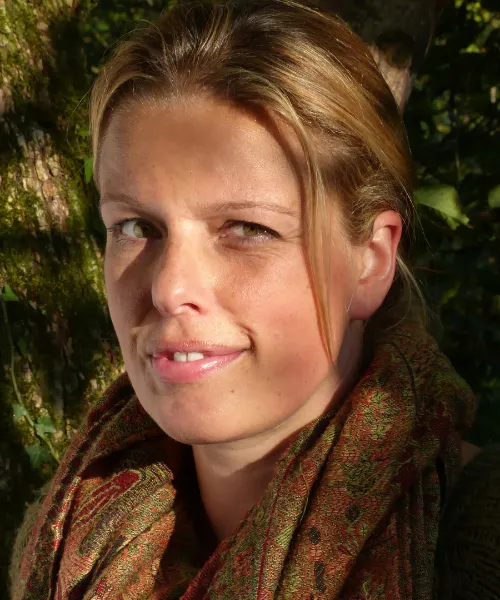
Caroline Grindrod
Caroline is the creator of the Wilderculture Approach Transition Pathway and will be leading most of the site-based training and hosting most of the fortnightly coaching clinics.
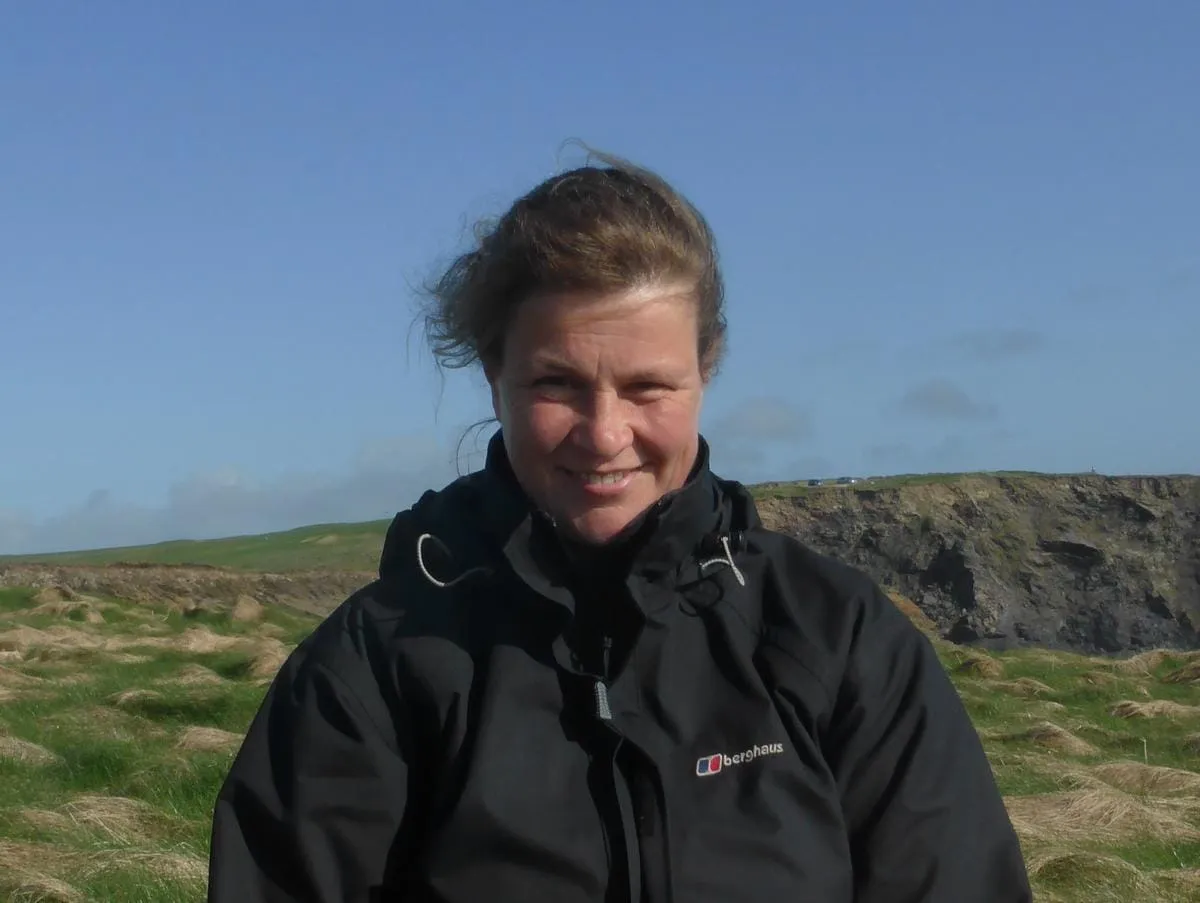
Alexandra Tomlinson
Alex is a vet who specialises in wildlife population health and will be leading on the red flag training and running some dedicated coaching clinics.
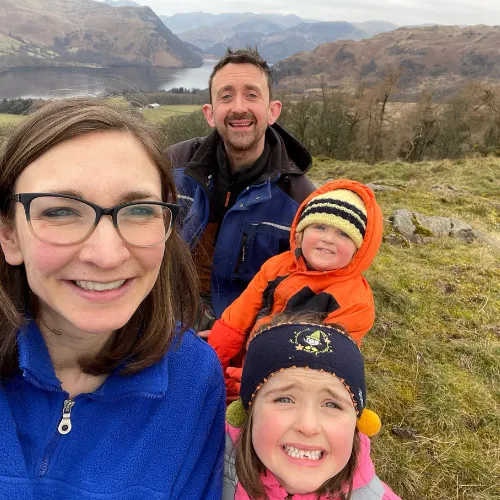
Sam and Claire Beaumont
Sam and Claire will be hosting the farm-based training blocks in the training barn at Wilder Gowbarrow and running some of the coaching clinics.