

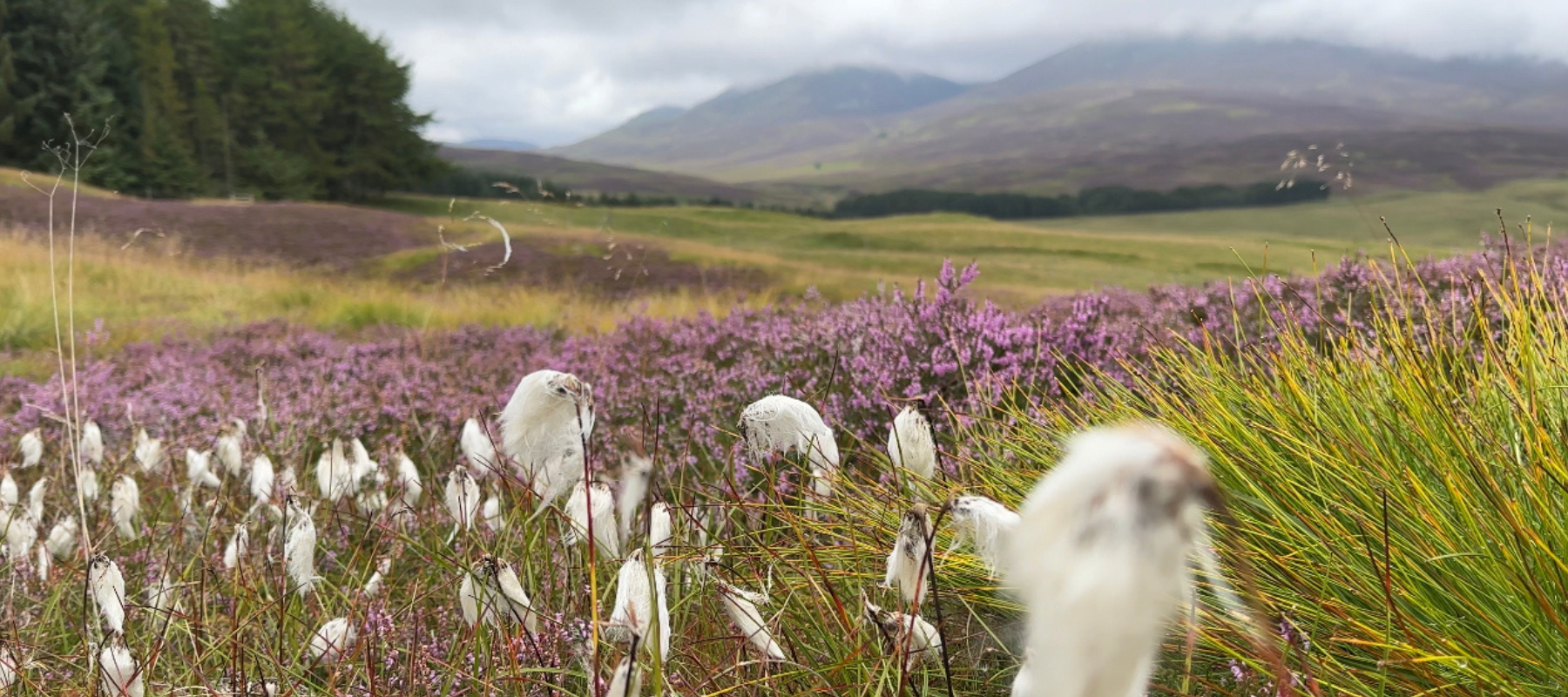
Our Bioregional Roadmap
Deep Local Work for Global Impact
Wilderculture commits long-term to six UK upland regions, going deep rather than wide. Each region moves through regeneration at its own pace—successionally and iteratively—as relationships form, projects take root, and communities take up the work. Our Theory of Change sets out the full logic behind this approach.
Six Priority Regions
We work across six upland regions in Scotland and northern England—each with its own character, history, and conditions, each a place to learn patterns of regeneration that apply far beyond it.
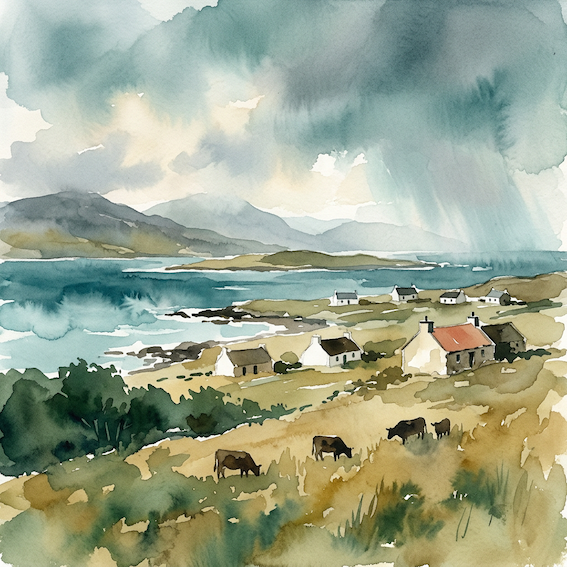
1. West Highlands & Islands
The western Highlands and the Inner and Outer Hebrides—Gaelic culture, crofting traditions, an Atlantic maritime climate, and fragments of temperate rainforest. The region holds the deepest living memory of pre-clearance Highland practice, shaped by the Gaelic-speaking communities of these glens and islands: shieling transhumance, mixed livestock of cattle and goats alongside sheep, the careful seasonal management that allowed each part of the landscape to recover in turn. Island and crofting communities offer some of the most powerful models of regenerative self-reliance there are—places where careful human management has long enhanced fragile landscapes rather than degraded them. As with the Eastern Highlands, deer stalking and forestry are central to the working landscape, and the question of what regenerative versions of these might look like—rooted in the older traditions of this place—is part of the bioregional design conversation here.
2. Lake District Fells
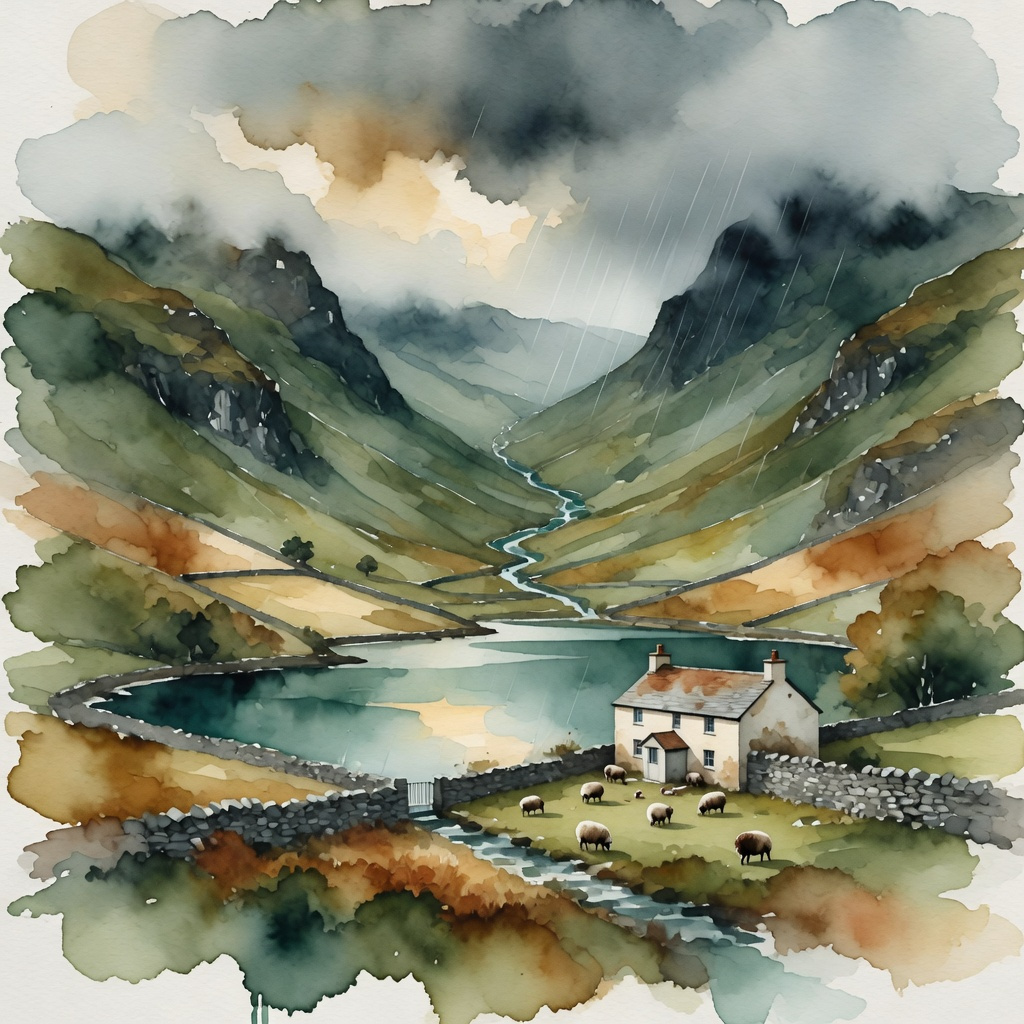
The central Lakeland massif and the fell-farming country around it—Herdwick sheep heritage, centuries of fell-farming tradition, and a UNESCO World Heritage cultural landscape. The National Park context brings real opportunity to influence policy, and an established visitor economy offers pathways for economic transition. The question for the fells—as elsewhere in our work—is what regenerative versions of fell-farming, sheep management, and forestry could look like when the older traditions of active shepherding and mixed grazing are taken seriously again.
3. Scottish Southern Uplands
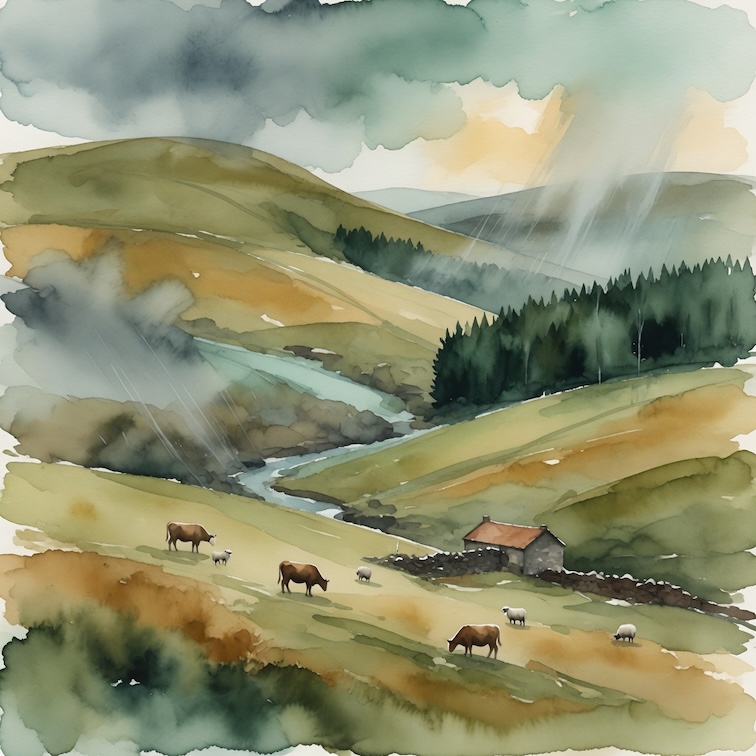
Southern Scotland from the Lowther Hills to the Cheviots—hill country with a deep history of cattle droving and the Border Reiver culture, alongside the wool and hill-farming heritage that came to dominate later. The older traditions of mixed grazing, mobile shepherding, and seasonal management have largely been displaced by set-stocked sheep monocultures, and part of the open question here is what reimagined, ecologically-led sheep management could look like alongside cattle, forestry, and sporting land. With clear watershed boundaries and a working-landscape character throughout, this region offers a setting to learn how regenerative practice scales across whole farmed catchments.
4. Eastern Highlands
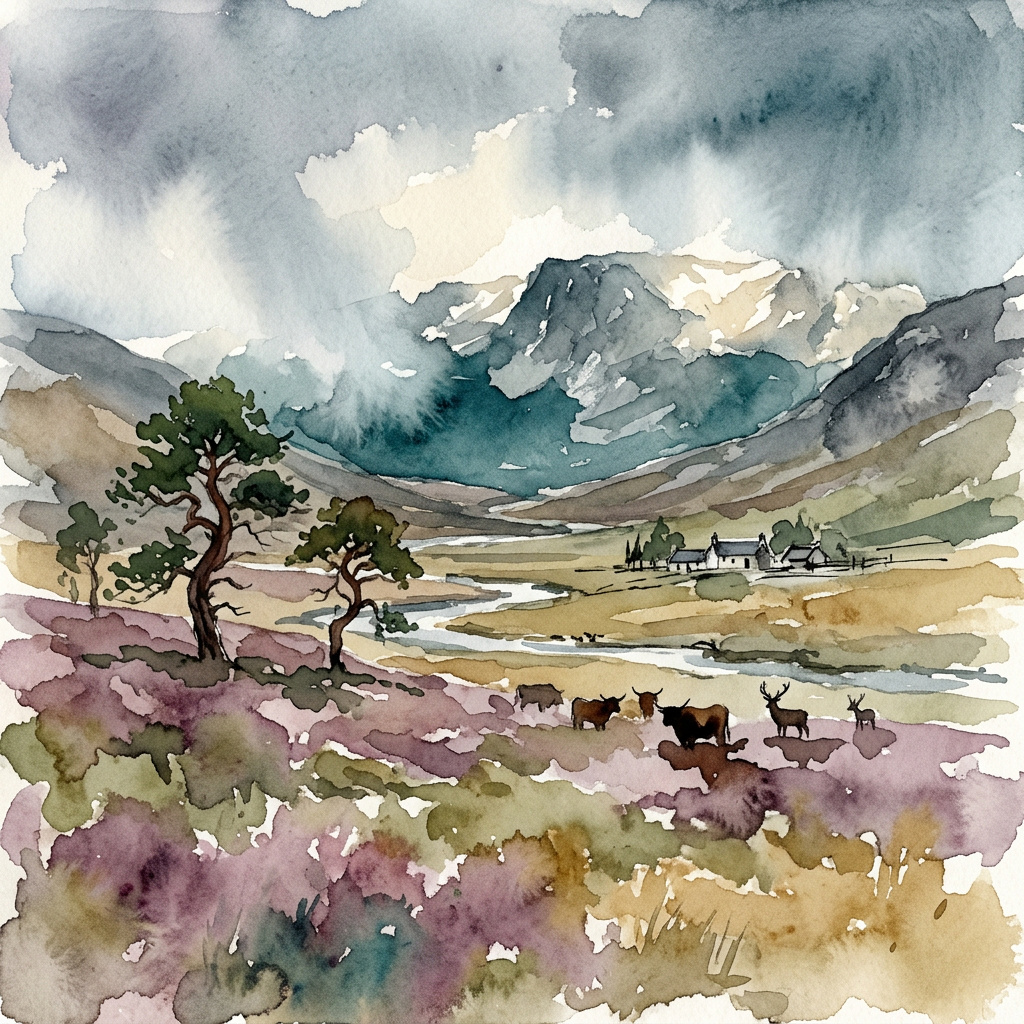
The Cairngorms massif and the surrounding straths and glens of Strathspey, Deeside and Donside—ancient Caledonian pine forest, large Highland estates, and a strong culture of land and place. The region also carries the memory of pre-clearance Highland land practice—the shieling system, mixed livestock, seasonal movement between low ground and high—that managed these landscapes for biological complexity rather than commodity production. Large estate landholdings make landscape-scale restoration possible here, and Wilderculture is already working with several of the region’s largest landowners alongside our flagship Cairngorms project. The region also raises one of the open design questions our work pursues in every bioregion: what do grouse moor management, deer stalking, and commercial forestry look like when reimagined through regenerative, ecological models—drawing on what older traditions of this place actually knew?
5. Northern English Borderlands
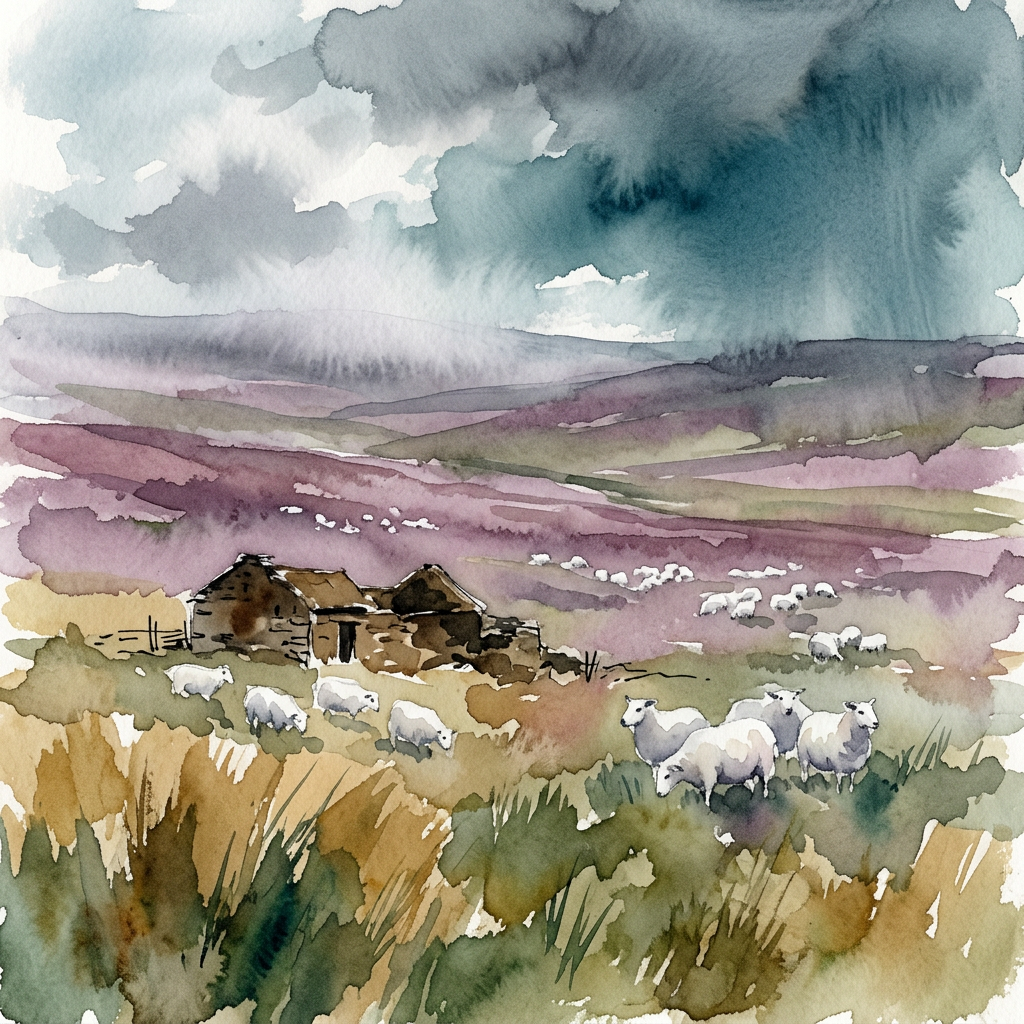
The English Cheviots, the Northumberland uplands, and the North Pennines—the largest concentration of upland habitats in England, and on its northern edge the Border country of the Reivers and the old droving routes that moved cattle through these hills for centuries. A landscape split across county lines but ecologically and culturally coherent, with grouse moor, sheep, and commercial forestry as the dominant land uses today. As one of the most significant areas of relatively unworked upland in the country, it offers space to ask what these uses could look like under regenerative design—including a return to genuinely active shepherding rather than the set-stocked monocultures of recent decades.
6. Yorkshire Dales and Bowland
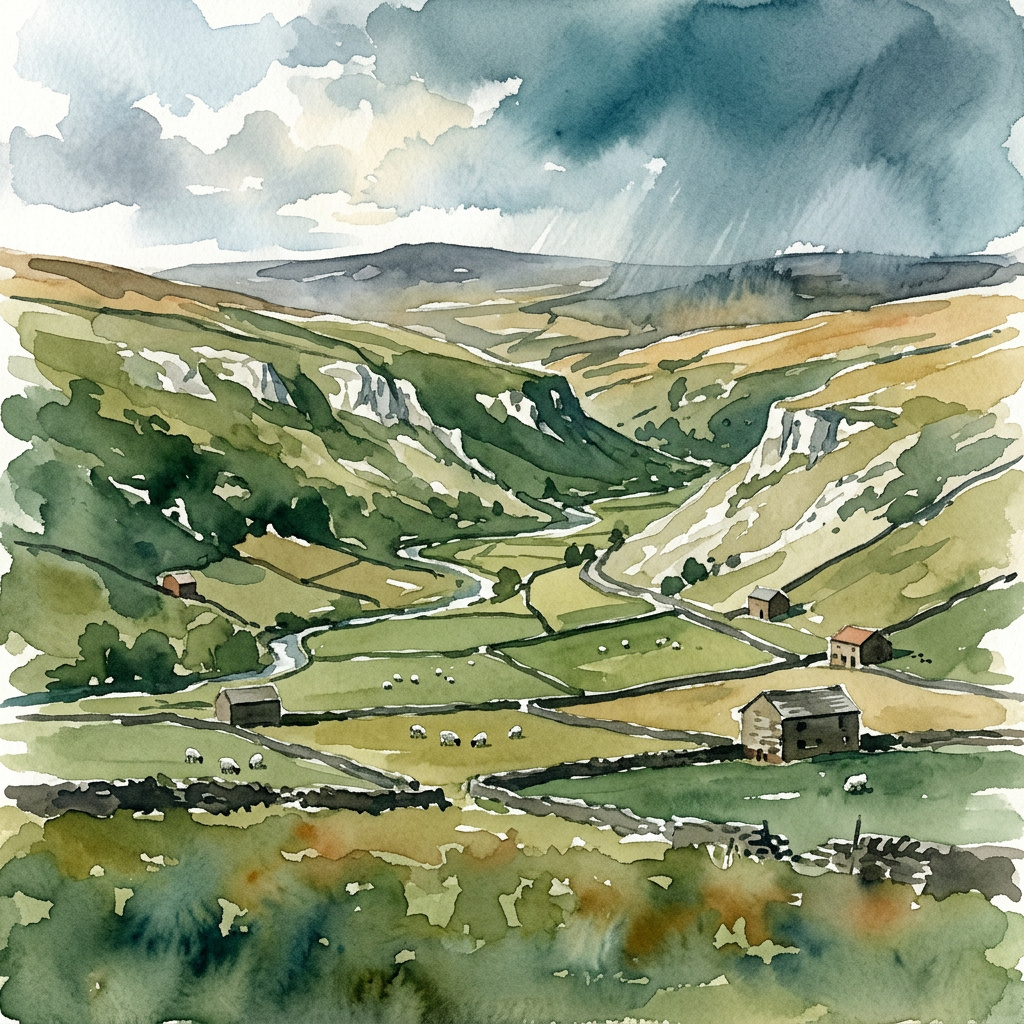
The Yorkshire Dales and the Forest of Bowland—a continuous limestone-and-gritstone upland farming system, geologically and culturally of a piece despite the administrative border that runs through it. Grouse moor and sheep farming dominate the landscape, and a multi-partner project is launching here with farms already coming into the network. The region carries the same open question: how do these traditional upland uses evolve into genuinely regenerative ones—including sheep management built on mobile, ecologically attentive practice rather than set stocked monoculture?
What Each Region Explores
Beyond the dominant land uses of each region—farming, forestry, sporting estates, crofting—we work on a deeper design question: what could an estate of the future look like? Not a single template, but a set of patterns that integrate productive agroecological growing, regenerative livestock, woodland, and wilder habitat into the same holding. Productive nodes—orchards, market gardens, mixed cropping—plug into the wider landscape rather than sitting apart from it, feeding local food systems and local economies.
Each regional network becomes a site for testing what works in that place. Common threads across the regions include:
Developing landrace varieties of fruit, vegetables, and pasture seed crops adapted to local conditions
Refining compost and soil-building techniques using locally available materials—lime, seaweed, brewery waste, woodland fines
Optimising livestock genetics and management networks for the ecology of each place
Recovering traditional practice from the peoples who farmed and managed these landscapes through the ages, for clues about what works here without expensive inputs or distant commodity markets
Building local food and supply networks that keep value within the region
These threads run differently in each region, shaped by what its conditions, history, and people actually need.
Follow Our Progress
Bioregional regeneration is not a project with a delivery date—it is a living process, and each region moves at its own pace. Rather than fix our progress to a static page, we share it as it unfolds.
Follow the journey of each region on our blog, where we post updates from the field as the work develops.
[Read Project Updates] → links to the “Project Updates” blog category