

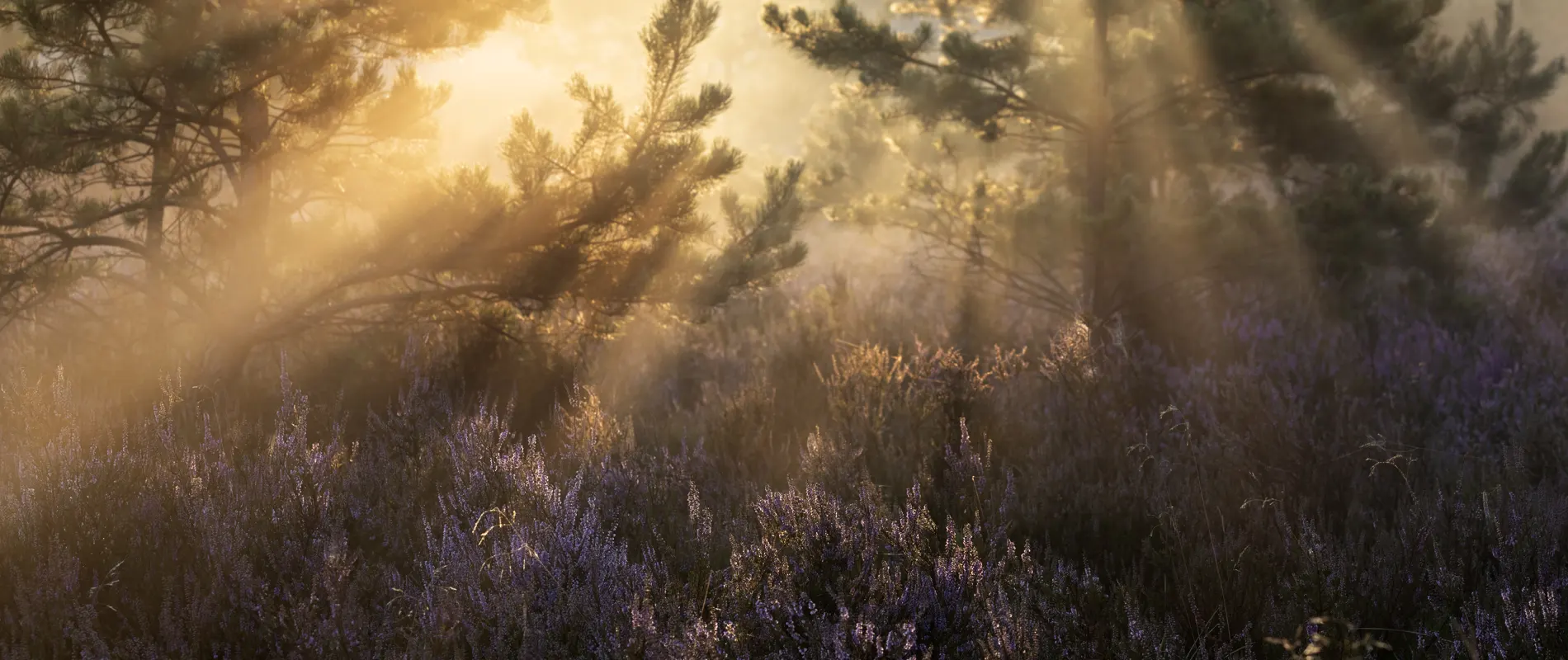
Wilderculture's WILDER Philosophy
Beyond Partial Solutions
The UK’s upland, marginal, and island landscapes are trapped in polarised debates—rewilding versus farming, conservation versus community, tradition versus innovation. Each perspective sees only a partial piece of a complex whole, creating wicked problems that delay action and confuse people into inaction.
Wilderculture’s WILDER philosophy moves beyond these limiting paradigms: Wildness, Interbeing, Lineage, Diversity, Eldership, and Regeneration. Unlike rewilding, which often sidelines human influence, or conventional farming, which prioritises short-term productivity over ecosystem health, WILDER integrates people as keystone species within thriving bioregions.
Our approach recognises what decades of polarised thinking have missed: the most biodiverse and culturally rich landscapes emerge when humans and nature co-evolve in regenerative partnership. Bioregions thrive when communities become regenerative stewards rather than extractive users or absent managers.
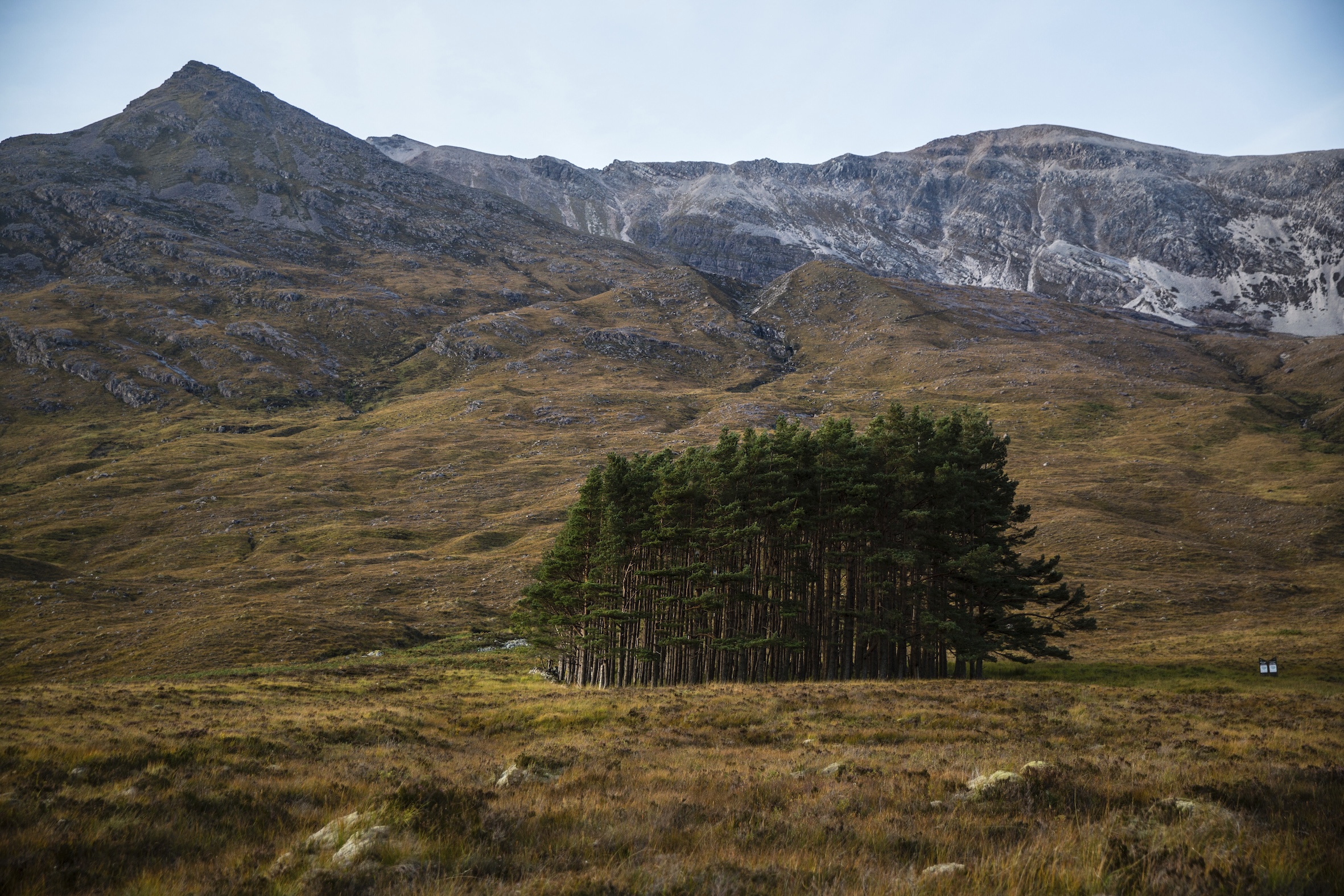
The WILDER Philosophy in Action
Each principle guides our mission to regenerate UK uplands through deep place-based transformation that honours both cultural heritage and ecological vitality.
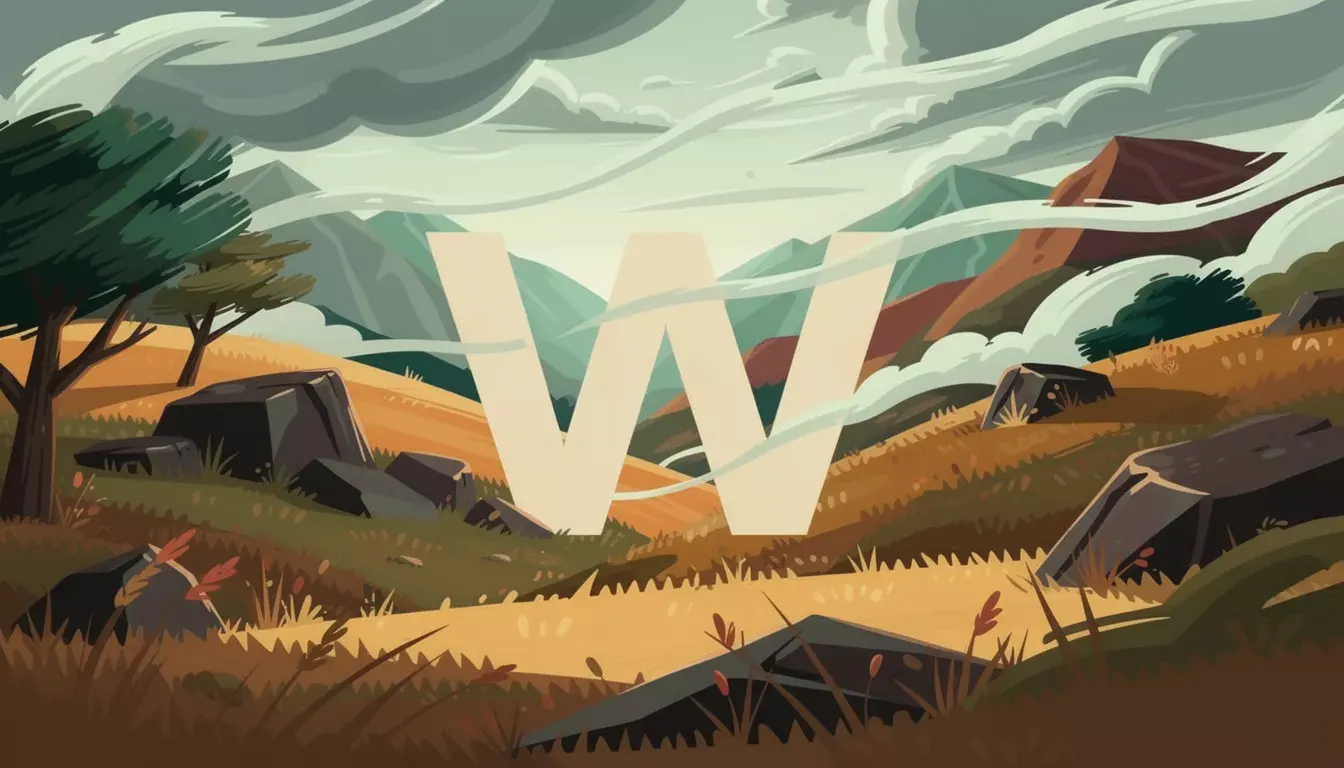
Wildness
Letting the elemental conditions of place lead.
Geology, hydrology, climate, altitude, ecological history—the raw conditions that shape upland, marginal, and island landscapes. Wildness means reading these honestly and letting them lead the design, rather than imposing a methodology developed elsewhere.
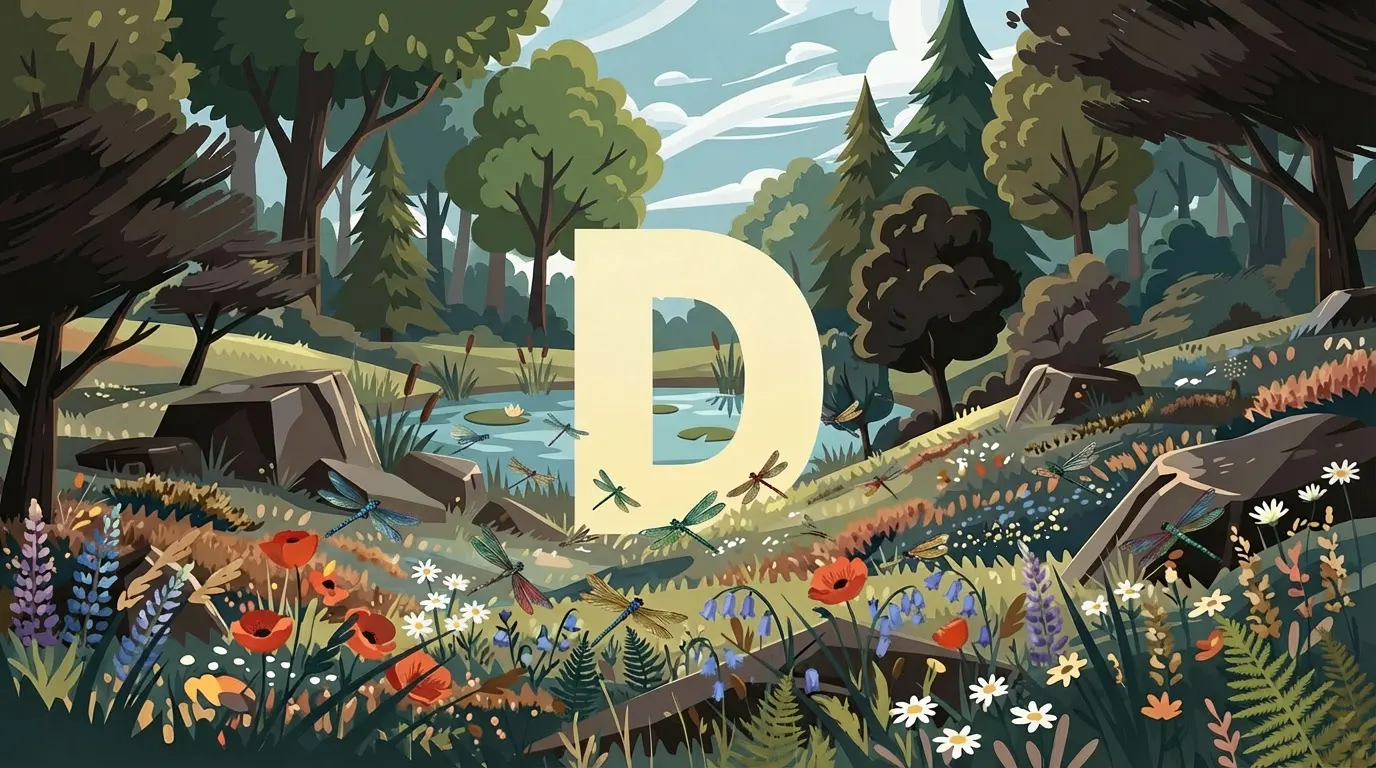
Diversity
Complexity is the goal; diversity plus conductance produces it.
Diversity is the ingredient—many species, varied practices, distinct enterprises, multiple knowledge traditions. Conductance is the connection between them. Diversity plus conductance produces the complexity that makes living systems resilient; a diverse community without shared governance is just a population.
Interbeing
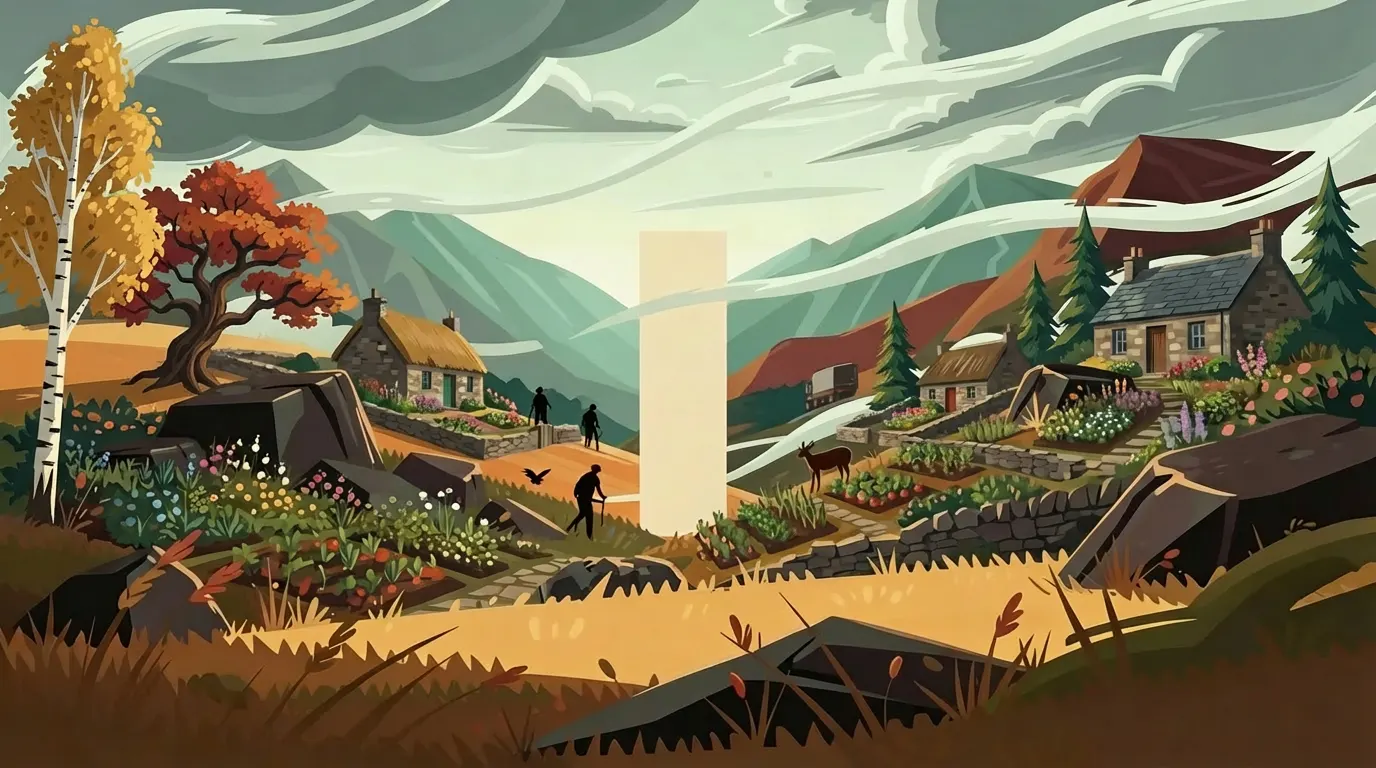
Rejecting the separation of humans from nature. Humans are not visitors to ecological systems; we are part of them. In landscapes shaped by six thousand years of management, our role is structural—and whether the land regenerates depends on whether we take up our place as a keystone species rather than a destructive force.
Eldership
Growing the systems-thinking that wicked problems require.
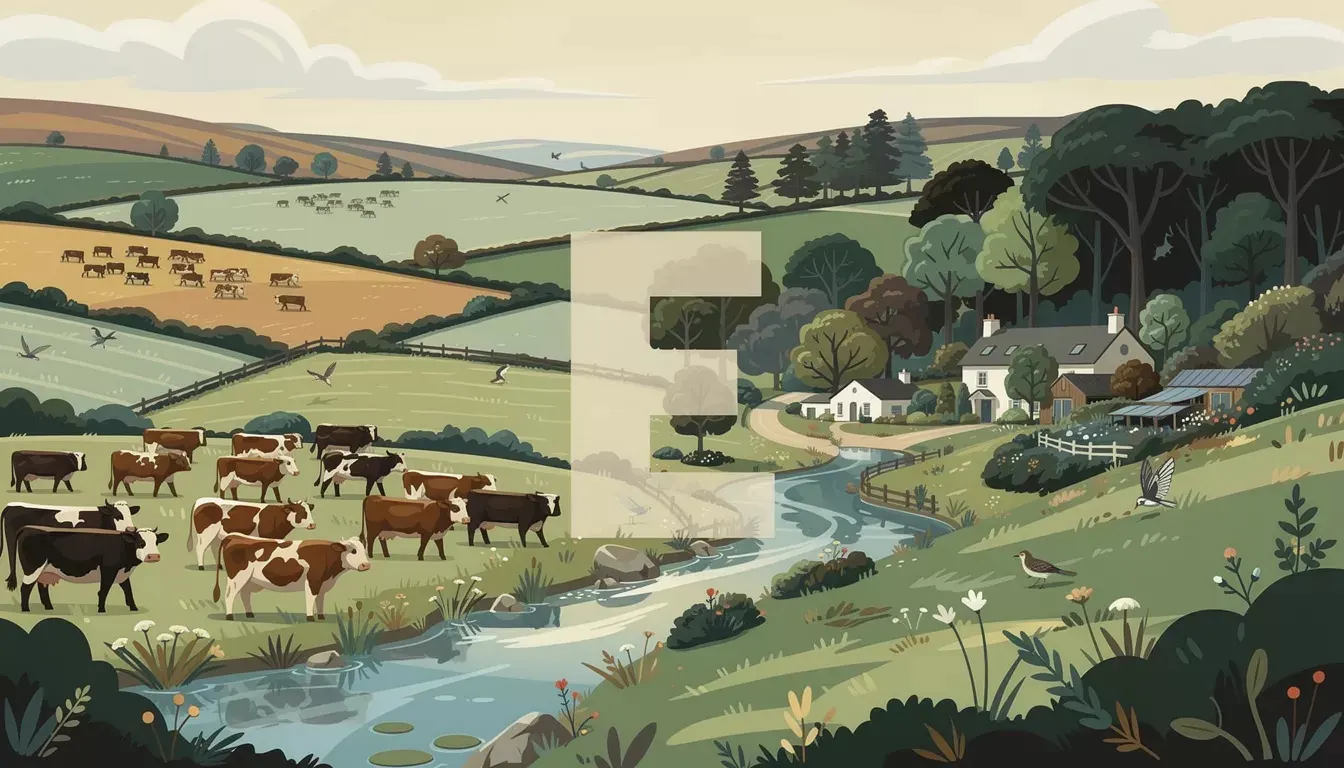
The problems facing the UK uplands are interconnected, dynamic, and resistant to siloed expertise. They need systems thinkers—people who can hold the whole picture without collapsing into the seductive simplicity of one corner of it. This capacity is rare today but not innate; it is a developmental potential available to anyone, grown through long practice and deep listening.
Lineage
Recovering the residual knowledge of places.
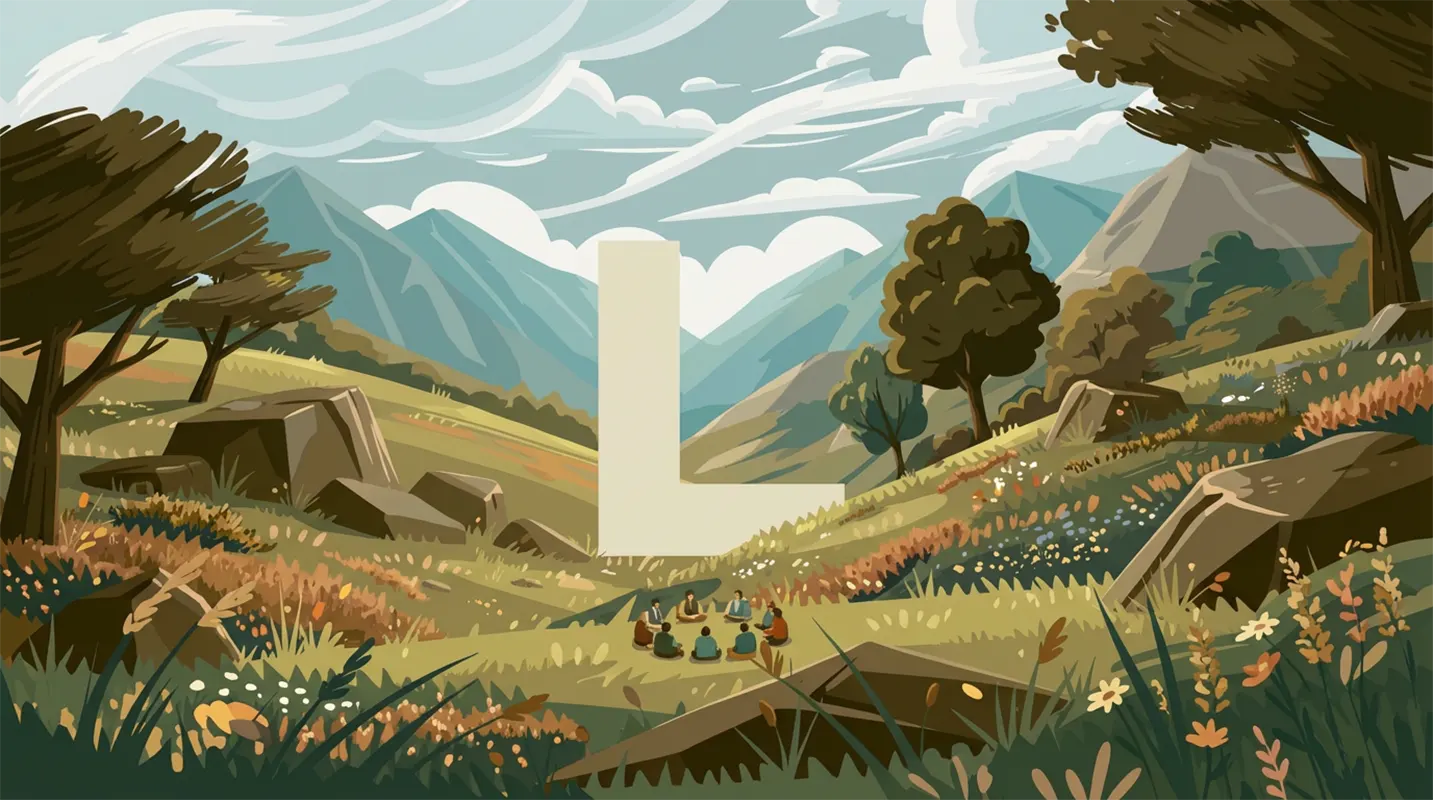
Place names, surviving farming knowledge, oral histories, heritage breeds, the shieling system—these hold the encoded intelligence of generations who worked these specific conditions. Lineage is the forensic work of recovering it, distinguishing what was genuinely complex from what merely looks old, and weaving it forward into living practice.
Regeneration
Building the capacity of living systems to evolve without us.
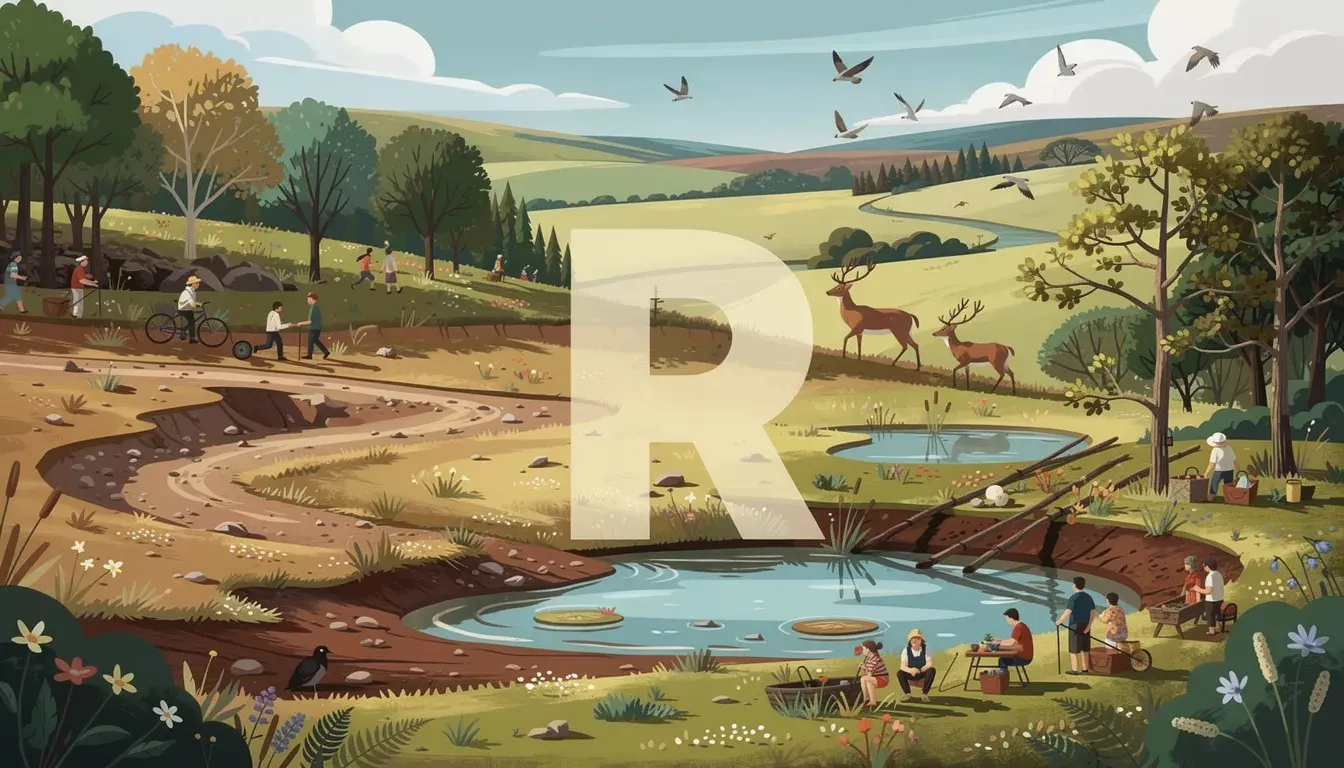
Wilderculture’s success in any place is measured by our eventual irrelevance there. We are catalysts, not occupiers—our work seeds self-sustaining bioregional intelligence, transferring it to the place, the people, and the next generation, then stepping back.
Why WILDER Matters
Healing False Separations
Humanity’s “story of separation” has shaped systems that value efficiency over relationships, extraction over regeneration, and competition over collaboration. This disconnection has fuelled climate disruption, biodiversity loss, rural depopulation, and farming systems that are neither economically viable nor ecologically sustainable.
WILDER addresses these root causes through systems thinking—recognising the interconnection between soil health and community health, between cultural vitality and ecological resilience, between economic security and landscape restoration. Working with rather than against natural and cultural systems, we demonstrate pathways beyond the crises that false separations have created.
Our Integral Approach
Weaving Wholes
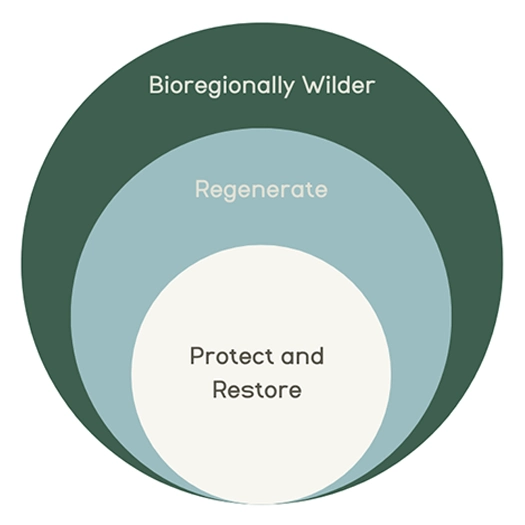
Caught between competing demands—conservation versus farming, tourism versus agriculture, tradition versus innovation—upland bioregions face pressures that fragment both landscapes and communities. WILDER’s ROOTED framework transcends these tensions by weaving cultural heritage, agroecological farming, and ecological restoration into coherent, landscape-scale strategies where apparent contradictions become creative tensions generating innovative solutions.
Our integral approach ensures that regenerative practices strengthen rather than compromise cultural identity, that ecological restoration enhances rather than threatens economic viability, and that community development supports rather than fragments landscape health. Through patient, place-based work, we demonstrate how the richest solutions emerge when we stop choosing between human and natural flourishing and start designing for both.